
















































Iron-On Chenille Patches: The Full Guide


Key Takeaways
- ‣ Iron-on chenille patches work with the right iron temperature, pressure, and protective cloth, but sewing lasts longer.
- ‣ Cotton, denim, and heavier polyester blends handle heat-activated adhesive well, while nylon usually does not.
- ‣ A heat press machine gives more even pressure and temperature settings than a home use dry iron.
- ‣ Sew-on backing, hook and loop, and safety pin backing all outlast iron-on backing on chenille patches over time.
Ready to design your own custom chenille patches? Request a free quote and digital proof from The Monterey Company today.
Can You Iron On Chenille Patches?
Yes, you can iron on custom chenille patches, and a lot of iron-on chenille patches ship with a heat-activated adhesive already pressed onto the back. That adhesive backing needs real heat and pressure to bond, so fabric compatibility matters before you even plug anything in. Cotton, denim, and heavier polyester blends hold up best because they take sustained heat without scorching. Nylon is the tricky one. It’s more heat sensitive, and the heat-activated glue on the patch can melt the fabric underneath before it ever bonds properly. Felt backing and other backing fabric on the patch itself matter too, since a patch with thin backing fabric can shift or warp under high heat. For more on how long an iron-on hold actually lasts, we’ve broken it down in our post on iron-on patch durability.
What Makes Chenille Patches Different
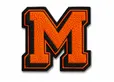
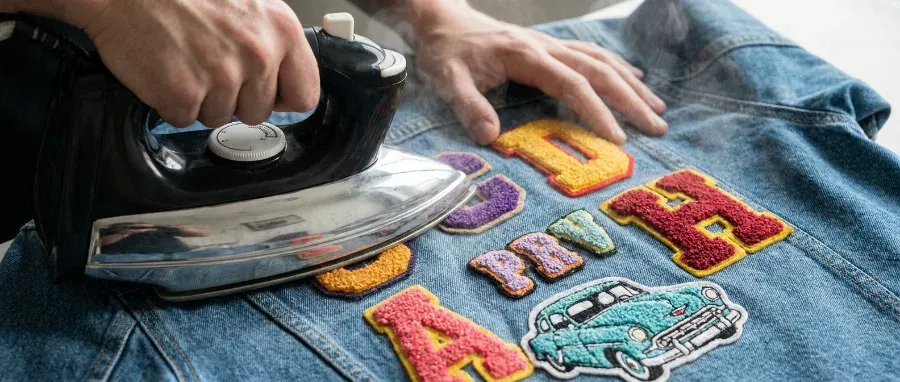
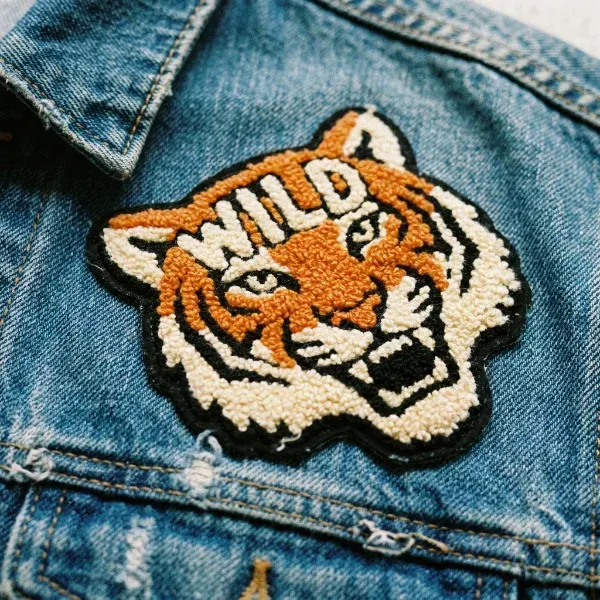
If you’re wondering why chenille patches feel different from a normal patch, it comes down to the chenille yarn. Instead of flat embroidery thread, chenille uses a loop stitch that pulls thick yarn through a stabilizer backing, then trims it down to build that fuzzy texture. That extra yarn is also why the patches sit up with a real 3D effect instead of lying flat. Manufacturers can dye the yarn in almost any vibrant colors, which is part of why these patches show up so often on letterman jackets and varsity jackets.
The softness is the whole appeal. Custom chenille patches feel more like a small pillow than a patch, and that’s the point. If you want something flatter and more detailed, customized woven patches are the better call. We’ve run embroidery machines for this kind of customization for over 35 years, and chenille is still one of our most requested styles for team jackets and spirit wear.
How to Iron On Chenille Patches the Right Way
Setting Up Your Iron or Heat Press
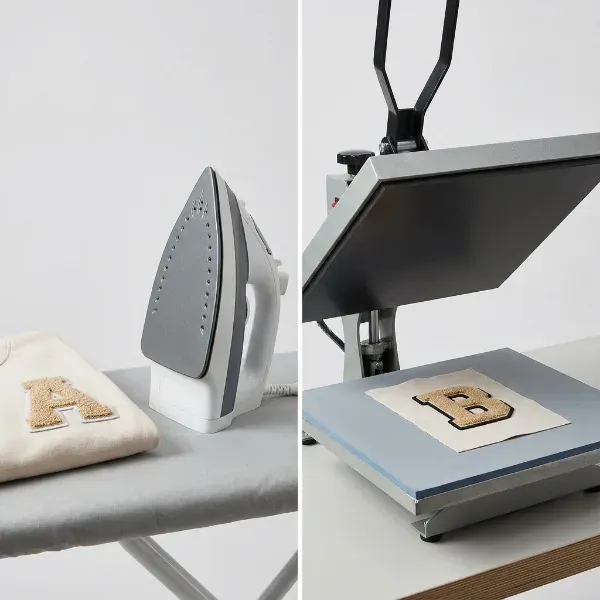
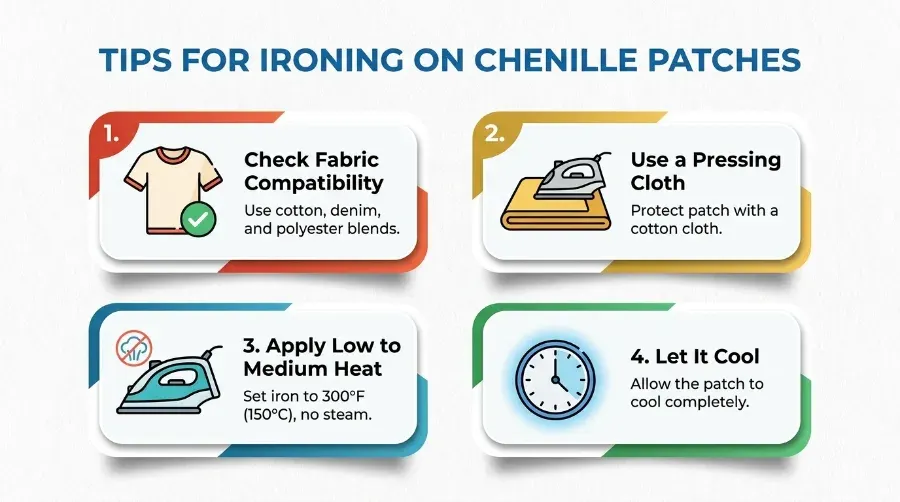
A home-use dry iron works fine for one patch here and there, but a heat press machine gives more consistent pressure and even temperature settings across the whole surface, which matters more on chenille than on flat patches. Set your iron temperature to medium, never high, and turn the steam function off completely.
Protecting the Yarn While You Press
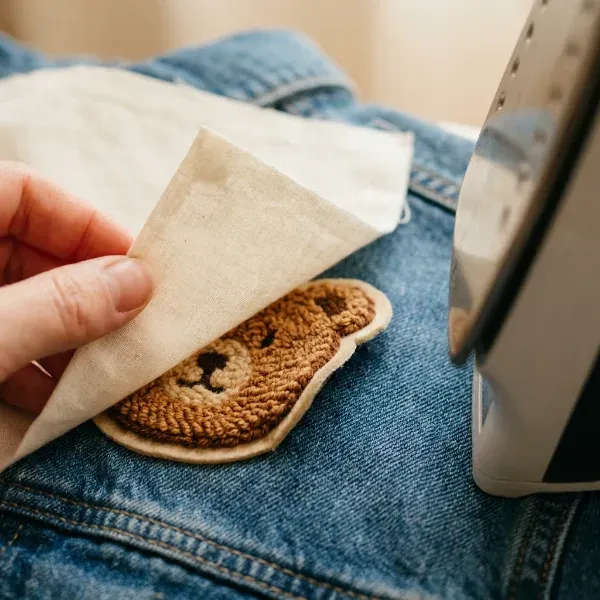
Lay a protective cloth over the chenille before you press down. This keeps direct heat off the yarn so it doesn’t flatten. Press firmly for 10 to 15 seconds, lift, check the edges, and repeat if the corners are still loose. Let the patch sit through a full cooling time before you touch it or wear it. Skipping the cooling time is one of the most common reasons an iron-on patch peels within a week.
Getting Patch Placement Right the First Time
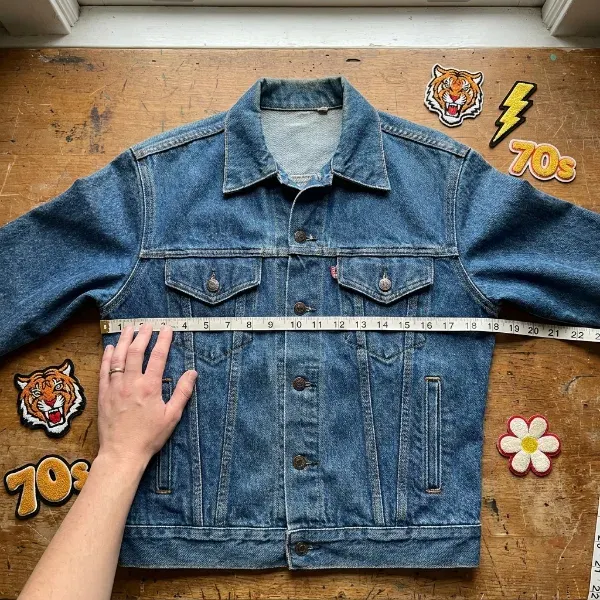
Patch placement is permanent once the adhesive sets, so measure twice. Patch size and patch shape both affect how much pressure you need. A larger patch or an unusual shape needs more even pressure across the surface, which is another reason a heat press machine outperforms a handheld iron on bigger designs. Not sure what size fits your jacket? Our patch size guide covers the most common options.
Backing and Attachment Options Beyond Iron-On
Iron-on backing isn’t the only option for custom chenille patches, and it’s rarely the most durable one. Sewing beats heat for durability every time, since thread doesn’t loosen with washing or wear the way heat-activated adhesive can. Sew-on backing is standard on most Letterman jackets for exactly this reason.
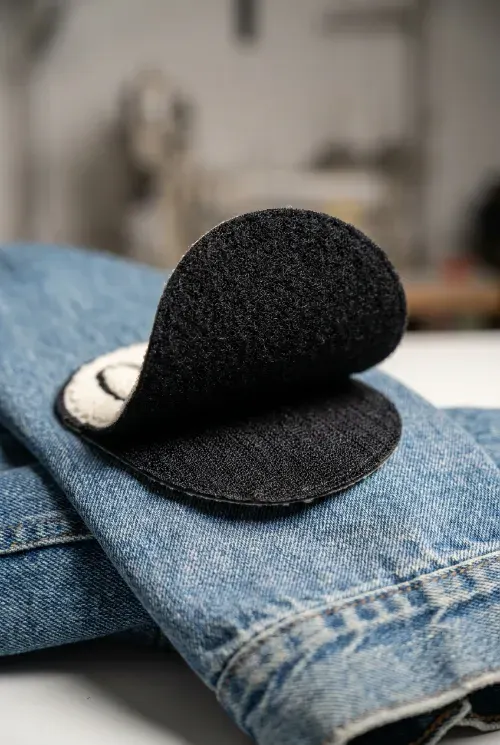
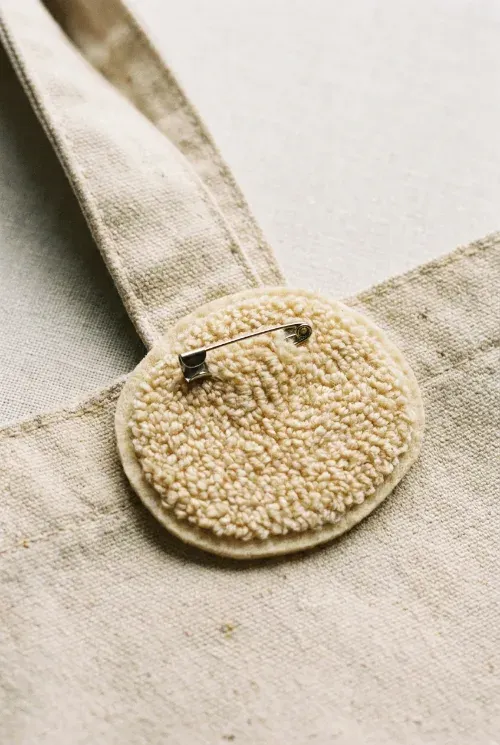
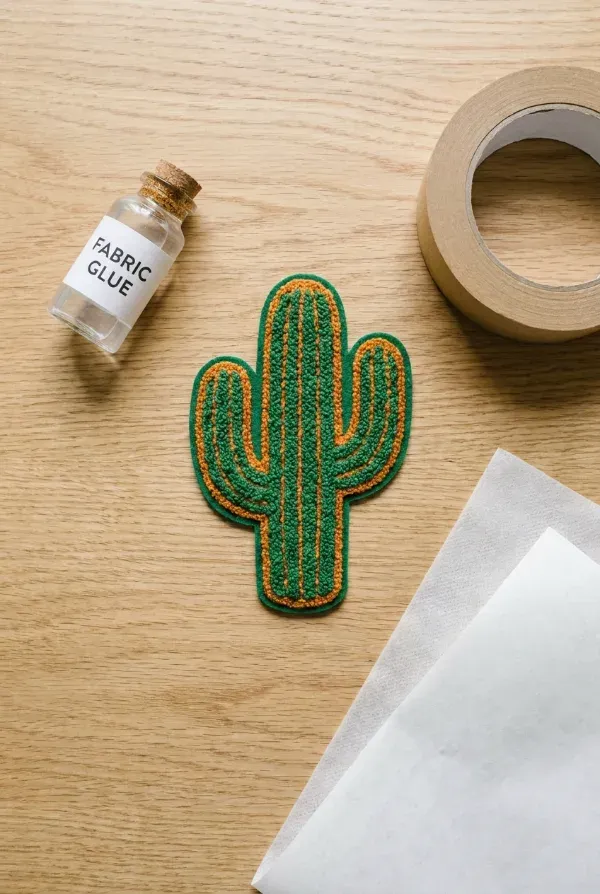
If sewing isn’t practical, a few other backings work too:
- ‣ Hook and loop backing for patches you want to swap out
- ‣ Safety pin backing for temporary or event use
- ‣ Fabric glue for a no-sew option, though it holds up less to washing
- ‣ Paper tape to hold a patch in place before you sew it down
- ‣ Fusible web as an alternative iron-on method that works with a wider range of fabric
Border style matters here too. A merrowed border gives a soft, rolled edge that hides fraying, while a laser cut border sits flatter and works better on patches with tight, detailed shapes.
Caring for Your Chenille Patches After Application
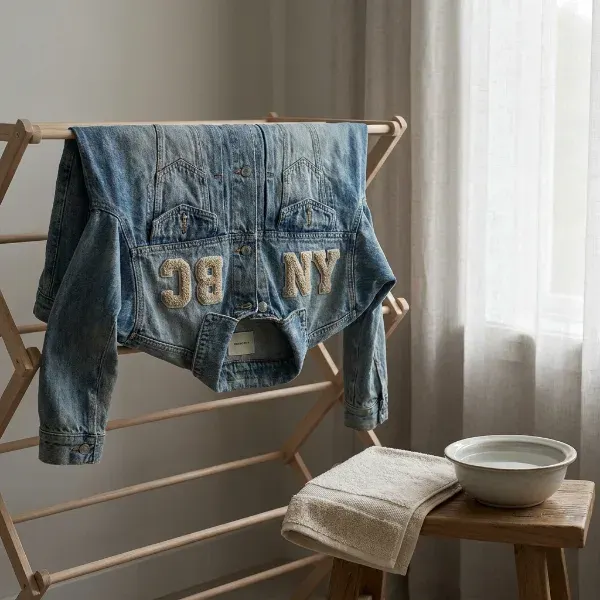
Chenille patches last longest when you handwash cold and keep the steam off during both ironing and drying. Heat and agitation wear down that soft yarn over time, so skip the dryer when you can and let patches air dry instead. The softness that makes chenille so appealing also makes it more delicate than a flat embroidered patch, so treat it more like a sweater than a t-shirt logo.
Custom Chenille Patches from The Monterey Company
We’ve been manufacturing custom patches, including custom chenille patches, since 1989 for schools, sports teams, and businesses that need consistent quality across large orders. Full customization is available on chenille yarn color, patch shape, patch size, and backing type, whether you want iron-on backing, sew-on backing, or hook and loop. Fill out our quote request form for a fast price estimate. Every order comes with low minimums and a free digital proof before we cut a single stitch. With more than 1,000 five-star reviews, we know what actually holds up on a varsity jacket versus what just looks good in a mockup.

Ready to design your own custom chenille patches? Request a free quote and digital proof from The Monterey Company today.

Eric Turney
Eric Turney A devoted father, football fanatic, and stand-up comedy enthusiast who loves nothing more than bringing people together over great food and a good time. When he’s not cheering on his favorite team or experimenting in the kitchen, you can find him connecting with others on LinkedIn

 Coins & Medals
 Corporate Gifting & Events
 Custom Labels & Accessories
 Everything Keychains
 Headwear
 Holidays