











































Acrylic Pins vs. Enamel Pins: What to Choose for Your Design

Key Takeaways
- ‣ Acrylic pins are printed and cut, while enamel pins are die-struck metal filled with color.
- ‣ Acrylic wins for color gradients and photo-to-pin printing, while hard enamel pins win on scratch resistance.
- ‣ Setup costs differ too, since enamel usually carries a metal mold fee that acrylic skips.
- ‣ The Monterey Company offers hands-on service from real people to help you pick the right pin before you approve a proof.
Ready to turn your design into a pin? Talk to our team about custom pins and get a free digital proof before you commit.
Acrylic Pins vs Enamel Pins: The Core Difference
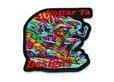
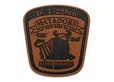
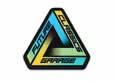
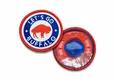
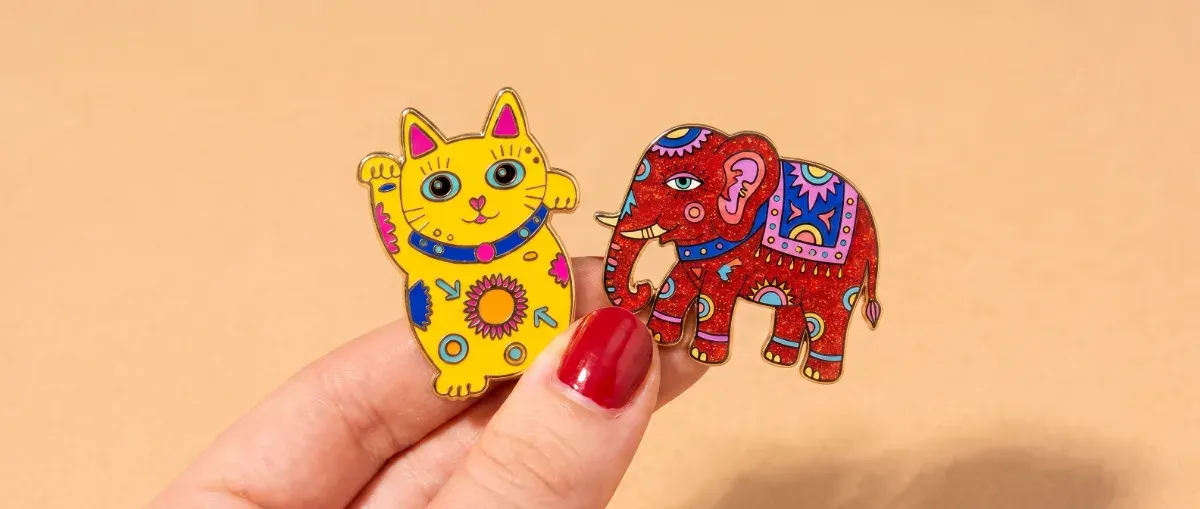
If you’re comparing acrylic pins vs enamel pins, it comes down to printed plastic against enamel or die-struck pins made from metal, and that single choice shapes everything else. Acrylic pins are printed onto an acrylic sheet, then cut into a custom cut shape, often using laser cutting or CNC cutting to get clean edges. Enamel pins start as die-struck metal, get metal plating through electroplating, then get filled with an enamel fill and finished with polishing.

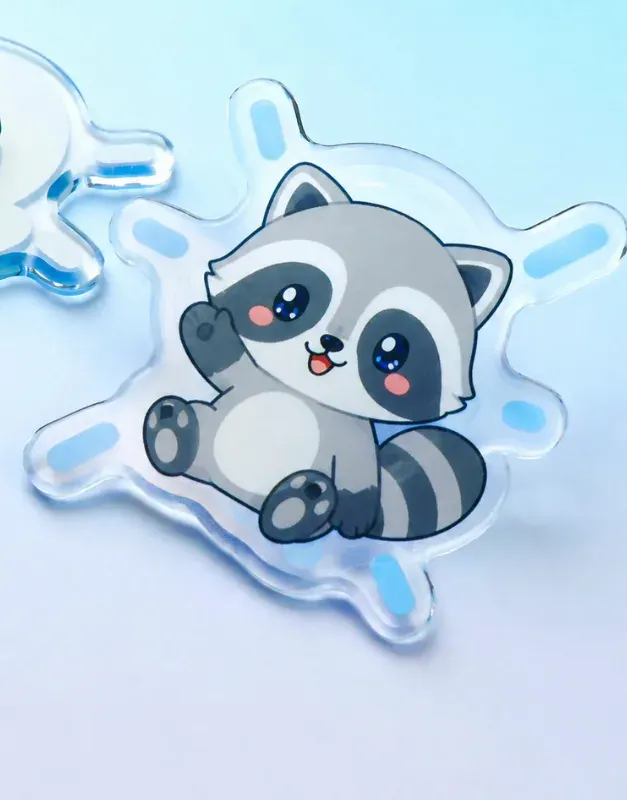
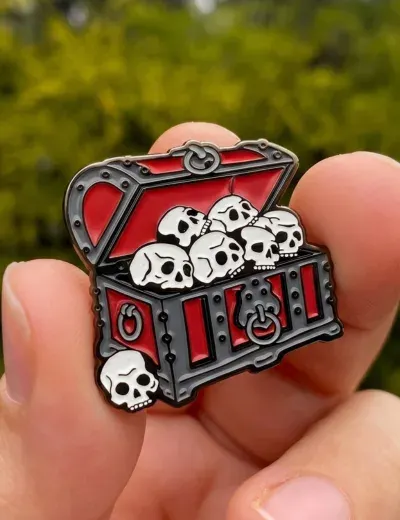
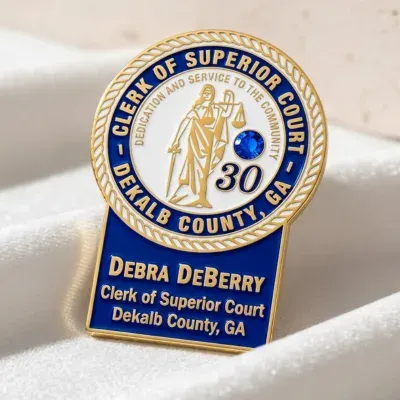
That production split is really the whole acrylic vs enamel pins comparison in miniature. Acrylic behaves like tiny printed signage, so it handles color gradients and a raster image without much trouble. Enamel behaves more like wearable metalwork. Cloisonné pins and other traditional commemorative pins sit solidly on the enamel side, which is one reason public safety unit pins and military-style keepsake merchandise still lean metal.
Printed pins can also mean UV or offset printed pins pressed onto a metal base, so it’s worth confirming the substrate before you approve a quote. A printed metal pin sometimes gets a resin dome or epoxy coating on top for protection.
Quick Decision Checklist
- ‣ Pick acrylic pins for color gradients, photo-to-pin printing, fine line detail, or a lower setup fee and faster turnaround.
- ‣ Pick enamel pins for better scratch resistance, a metal feel, and higher perceived value on keepsake merchandise.
Where Each Pin Style Actually Shines
Design and Detail
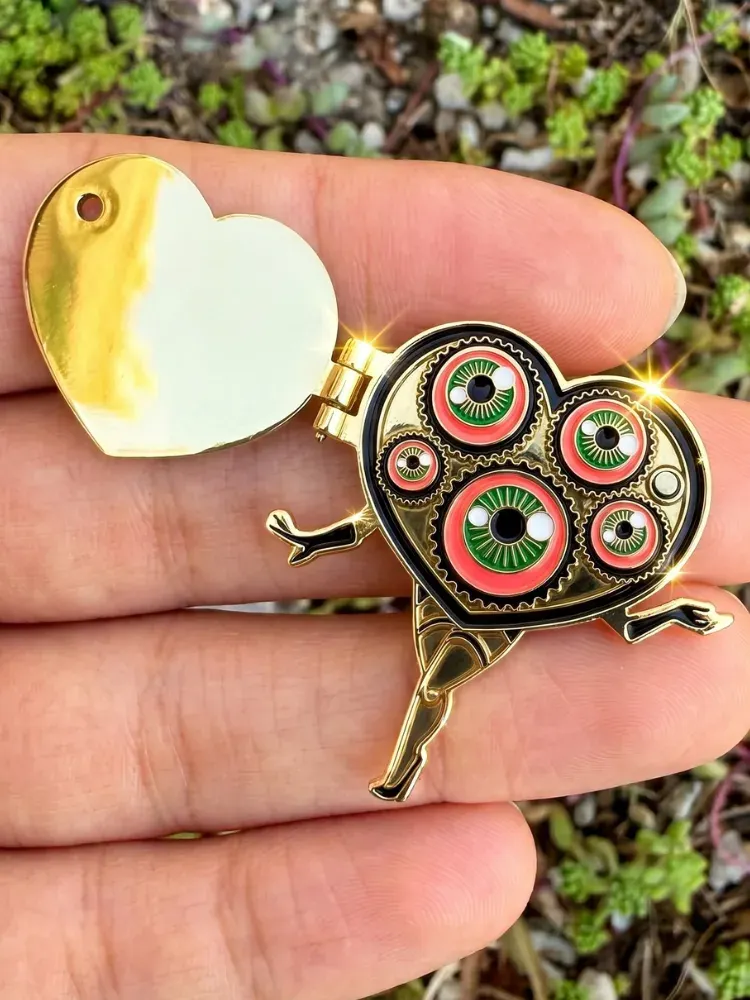
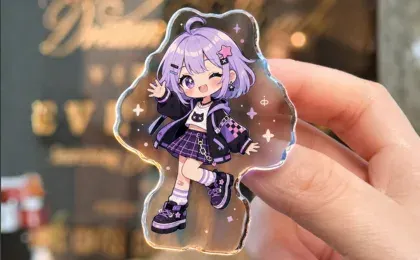
Acrylic wins when artwork gets complicated. Because it’s printed, not divided by metal walls, it handles small text legibility, fine line detail, and photo-to-pin printing better than traditional enamel. Files should come in at 300 DPI or better, and vector artwork still helps even on acrylic because it keeps edges crisp when the pin gets cut to its custom cut shape.
Enamel asks for vector artwork too, but for a different reason. Hard enamel pins get polished flat, and that polishing step can wear down very thin lines until they disappear. Screen printing on pins can rescue some of that lost detail, but honestly, it’s a patch, not a real substitute for art built for metal from the start.
Feel and Perceived Value
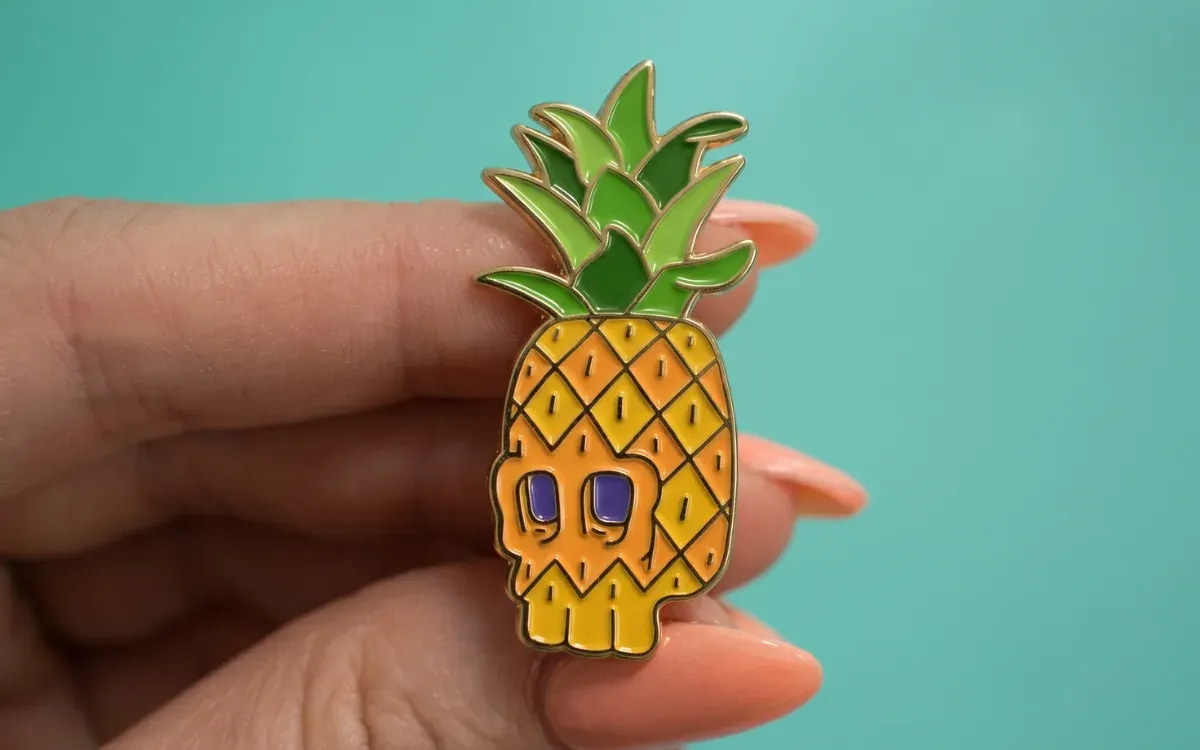
Custom soft enamel pins have raised metal lines with recessed color, so they feel textured under a thumb. Hard enamel pins get filled and polished smooth. Both usually carry more perceived value than acrylic for things like employee recognition pins, school spirit pins, and commemorative pins, mostly because people equate weight and metal with permanence.

Durability, Finishes, and Wear
Hard enamel pins are generally the more durable option day to day. Manufacturer comparisons commonly cite about 50% better scratch resistance for hard enamel versus acrylic, and acrylic is more prone to scratching, chipping at the edges, and fading under long UV exposure. Edge wear shows up on both eventually, just faster on acrylic that gets tossed in a bag instead of stored on a card.
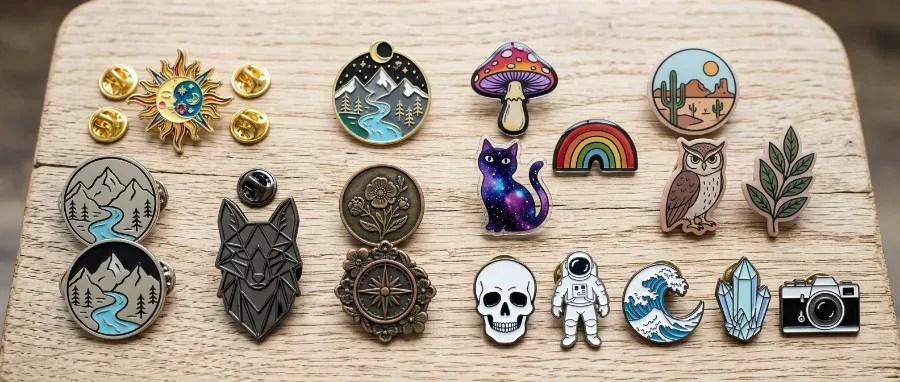
Finish options add a lot of the personality here. Enamel can go gold plating, nickel plating, black nickel plating, or antique plating, and specialty versions like glitter enamel, glow-in-the-dark enamel, and translucent enamel add even more range. A sandblast texture can separate a background from the foreground without adding another color. Acrylic tends to stick with a matte finish or gloss finish, sometimes with a holographic layer for extra shine.
Care Tips
Skip the basic butterfly clutch or rubber clutch if a pin will travel on a bag or uniform. Locking pin backs, a magnetic pin back, or safety pin backing hold up better under daily movement. Keep harsh cleaners away from both materials, and store acrylic out of direct sun so it doesn’t fade early.

Cost, Setup Fees, and Lead Time

Enamel usually costs more because of that metal mold fee, the metal plating step, and the curing time after the enamel fill goes in. Mold cost guides commonly put that one-time setup fee somewhere between $40 and $200, depending on complexity. Soft enamel pins often run $1.50 to $4.00 per pin for 100 to 500 units, while acrylic or other printed pins commonly land around $0.75 to $3.00 per pin.
What Shifts the Quote
Pin thickness, pin size in inches or mm, and pin posts, whether single or double, all move the price. Lead time tends to run longer for hard enamel since the finishing takes more steps. Color matching against a Pantone reference can also add a round or two to artwork proofing before a digital proof gets approved.
Who Actually Buys Which Pin
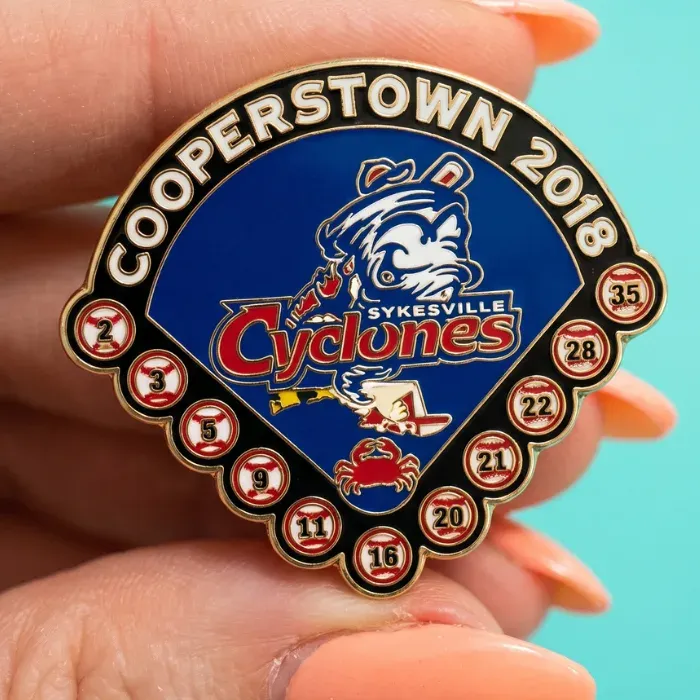
Corporate recognition programs, trade show giveaways, and commemorative pins usually lean enamel, since people read metal as more permanent. Acrylic fits merch drops, fundraiser merchandise, and colorful campaigns where speed and a lower minimum order quantity, or MOQ, matter more than heirloom weight. Schools and clubs often order both, honestly, depending on budget and what the design needs.
Where To Get Them Made
We’ve built The Monterey Company’s pin program around hands-on service from real people, so buyers ordering employee recognition pins, school spirit pins, really any type of lapel pins get a real digital proof and reorder consistency they can count on year after year. TMC also keeps a wide product range under one roof, so a pin program can later expand into patches, coins, or medals without starting over with a new vendor.
Communities like Reddit r/artbusiness and r/enamelpins are resources, and often, when creators compare notes, we’d point you to your own supplier’s proofing team for specifics that apply to your exact order.
Two Fast Questions
Do enamel pins really last longer? Usually, yes, for daily wear. Hard enamel resists scratches and edge wear better than most acrylic surfaces.
Which one wins for gradients? Acrylic, pretty much every time, since it’s a printed medium and enamel’s metal lines can’t hold a smooth color transition.
Not sure which pin fits your project? Get a free digital proof from The Monterey Company and see it before you buy it.
Before You Approve the Proof
The right pin isn’t whichever one sounds fancier on a sales page. It’s the one that matches your artwork, your budget, and where the pin is actually going to live, on a jacket, a backer card at a donor table, or a drawer somewhere after the event ends. Send us your art and tell us the use case, and we’ll tell you plainly whether acrylic or enamel gets you there, backed by a free digital proof before anything goes into production.

Eric Turney
Eric Turney A devoted father, football fanatic, and stand-up comedy enthusiast who loves nothing more than bringing people together over great food and a good time. When he’s not cheering on his favorite team or experimenting in the kitchen, you can find him connecting with others on LinkedIn

 Coins & Medals
 Corporate Gifting & Events
 Custom Labels & Accessories
 Everything Keychains
 Headwear
 Holidays