



























































What Is a Challenge Coin? Meaning, History, and How They’re Used

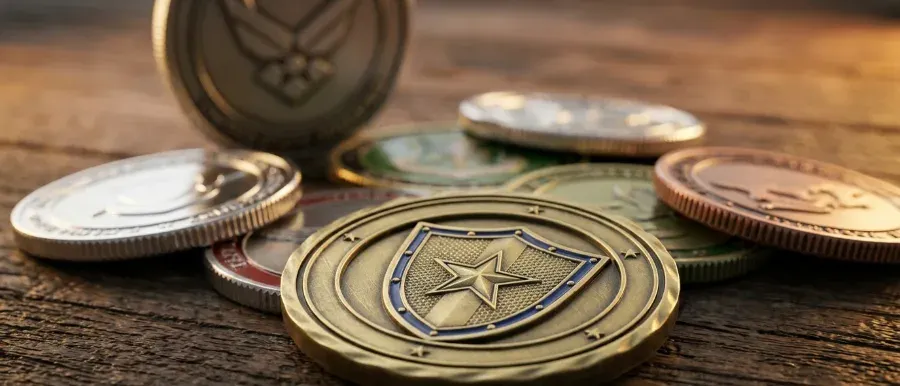
Key Takeaways
- ‣ A challenge coin is a small custom medallion that stands for recognition, honor, membership, or commemoration, not currency.
- ‣ The military tradition traces back to the U.S. military and has since spread to law enforcement, first responders, and even the German Armed Forces.
- ‣ Coins are struck or cast in metal, then finished with plating, enamel fill, and edge styles like reeded, rope, or diamond-cut for extra collectability.
- ‣ Businesses use custom challenge coins for employee recognition, trade shows, conference giveaways, customer gifts, and fundraising.
Ready to bring your group’s story to life? Start designing your custom challenge coins with The Monterey Company today.
What Is a Challenge Coin, Exactly?
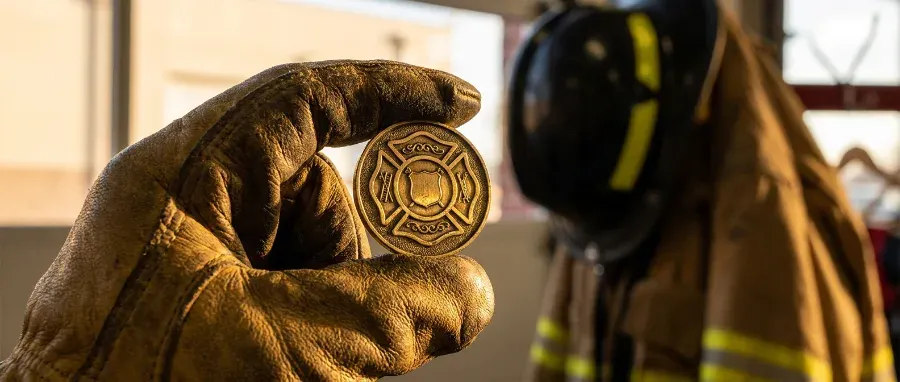
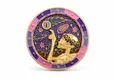
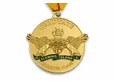
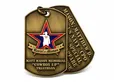
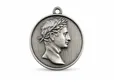
If you’re wondering what a challenge coin is, it’s a small custom coin or medallion that represents affiliation, recognition, or commemoration within a group, not a piece of currency. Depending on who’s carrying it, it might be called military coin, unit coin, commander’s coin, or memorial coin. The name changes. The purpose doesn’t.
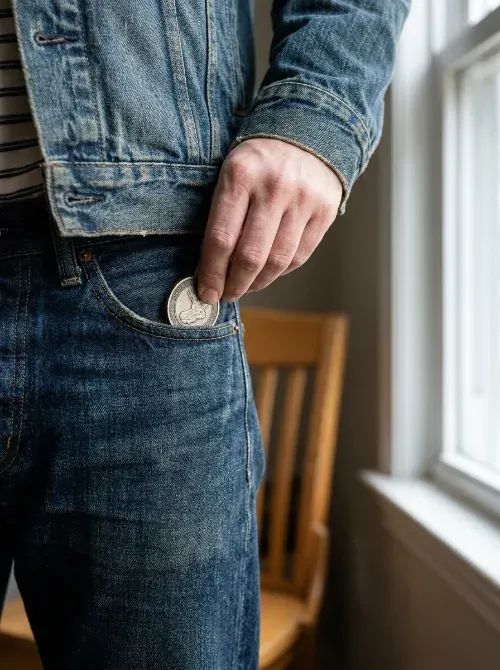
It’s not a formal medal either. A medal usually marks ranked competition or an official decoration. A challenge coin sits somewhere more personal, blending symbolism, honor, and belonging into an object small enough to fit in a pocket.
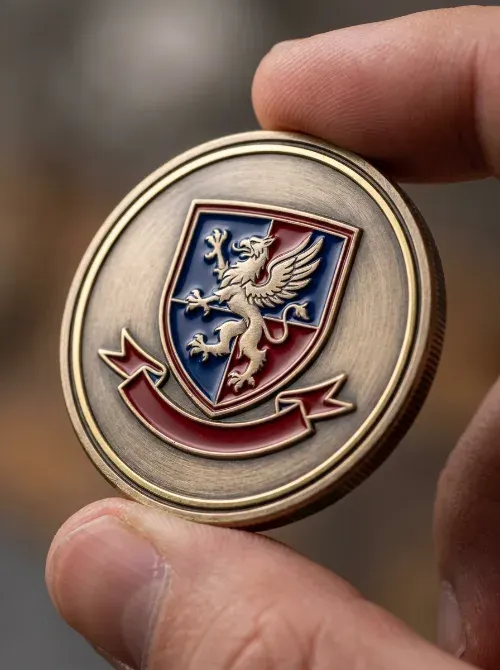
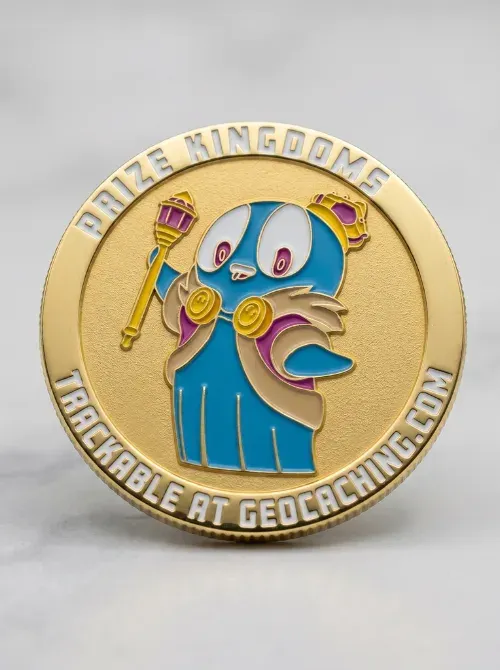
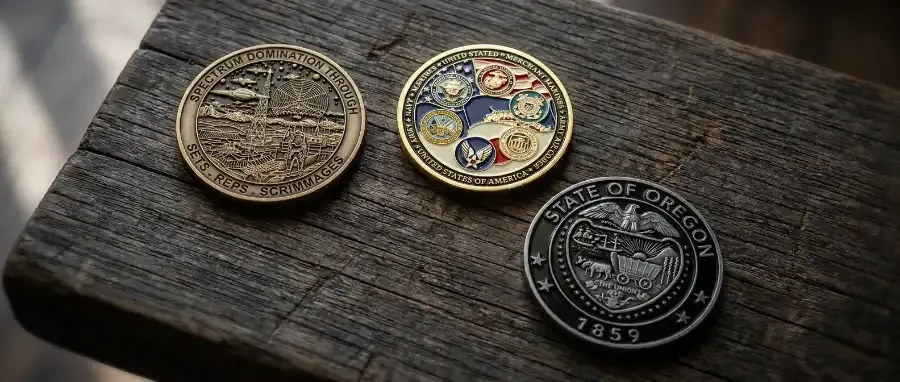
Most custom police coins or custom military coins carry an insignia, crest, motto, or emblem tied to the group’s identity. These details give challenge coins their meaning and help each design represent a shared mission, achievement, or sense of belonging.
Where the Challenge Coin Tradition Comes From
The exact origin is debated, but the challenge coin history tradition is widely tied to a century-old U.S. military practice built to reward achievement and strengthen morale. Some of the oldest officially recorded coins trace back to the 17th Infantry Regiment during the Korean War.
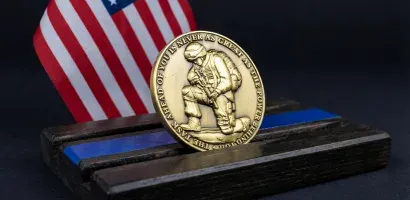
Military Roots and Modern Expansion
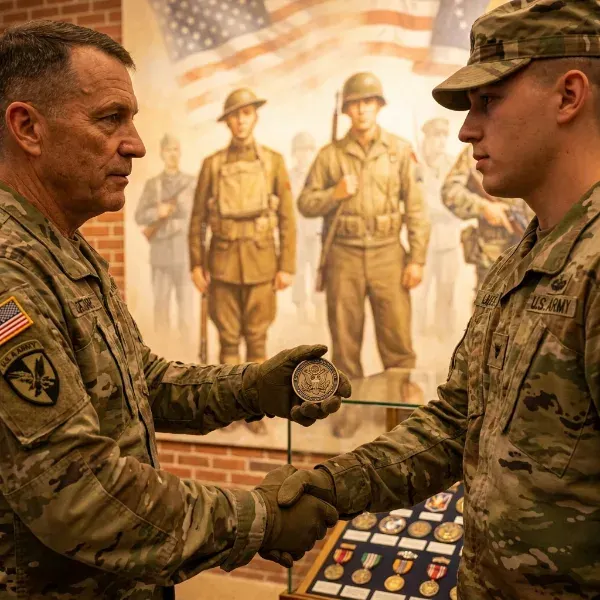
In military tradition, a coin from a commander signals trust and camaraderie in a way paperwork never could. From there, the practice moved into law enforcement and first responders, and it’s grown well beyond U.S. borders. Even the German Armed Forces maintain their own coin customs today, and coins linked to agencies like the FBI are some of the most recognized in the country. Wherever it lands, the goal stays the same: unit cohesion and shared pride.
What a Challenge Coin Means When You Receive One
Receiving a challenge coin usually signals recognition, achievement, or membership. A coin from a chief, commander, or executive carries more weight than one bought off a table at a public event, because scarcity and presentation shape how much it means.
Commemorative coins are commonly presented at retirement, graduation, and deployment. They also change hands during dignitary visits, where a coin acts as a compact gesture of respect.

The Coin Check Tradition
A coin check is exactly what it sounds like: someone challenges the group to produce their coin on the spot. Miss it, and you typically owe a round. Rules vary by group, and in mixed or formal settings, it’s worth reading the room before starting one.
How Challenge Coins Are Used Today
Military, Law Enforcement, and First Responders
Coins still anchor recognition ceremonies, academy graduations, and retirements across military, law enforcement, and custom military patches communities alike, reinforcing morale and camaraderie one presentation at a time.
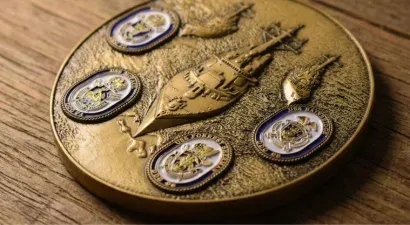
Corporate Branding and Business Gifting
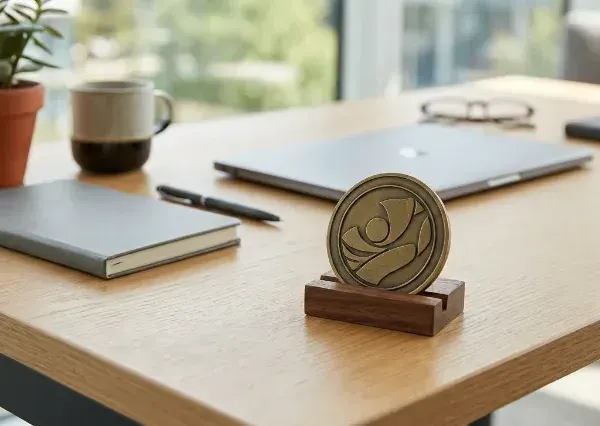
Companies lean on custom challenge coins for employee recognition, years-of-service awards, and onboarding. They also work well as customer gifts, trade show swag, and conference giveaways, since a coin gets kept on a desk far longer than a flyer gets kept anywhere.
Fundraising and Community Building
Nonprofits and alumni groups use limited coins for fundraising and donor recognition. A coin builds a sense of belonging faster than a printed thank-you note does.

Design and Production: What Makes a Coin Feel Legit
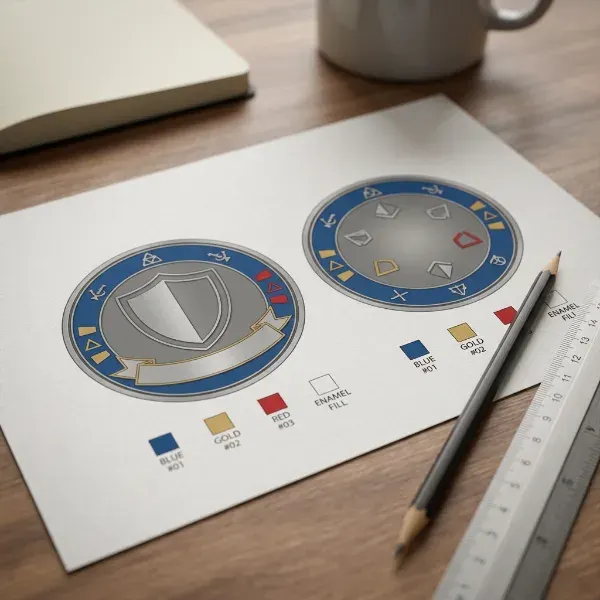
A coin feels real when the design tells a clear story and the build backs it up. That starts with an artwork proof. Proofing catches spelling, insignia, and scale issues on the die line before they turn into an expensive mistake, and it’s a step we never skip.
Struck vs. Cast Coins
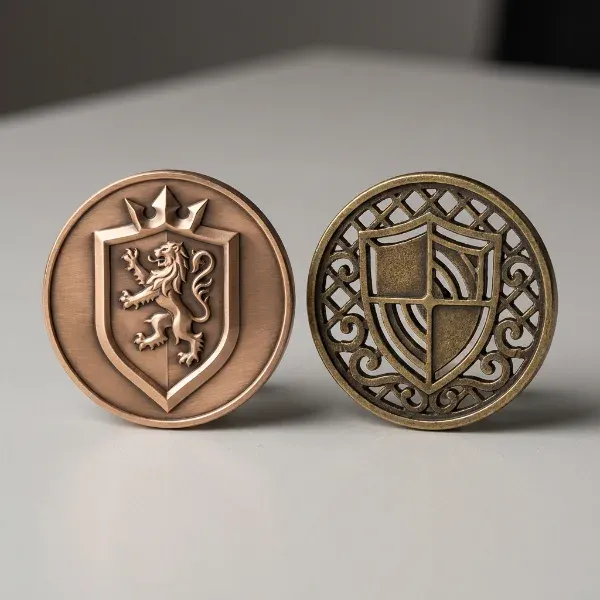
Coins are formed one of two ways. A struck coin is pressed from a metal die under heavy pressure, which is great for sharp detail and 3D sculpting. A cast coin is poured into a mold, often better suited to intricate cutouts and larger runs.
Not sure where to start? Talk to The Monterey Company’s team about designing your own custom challenge coins.
Finishes and Edge Styles
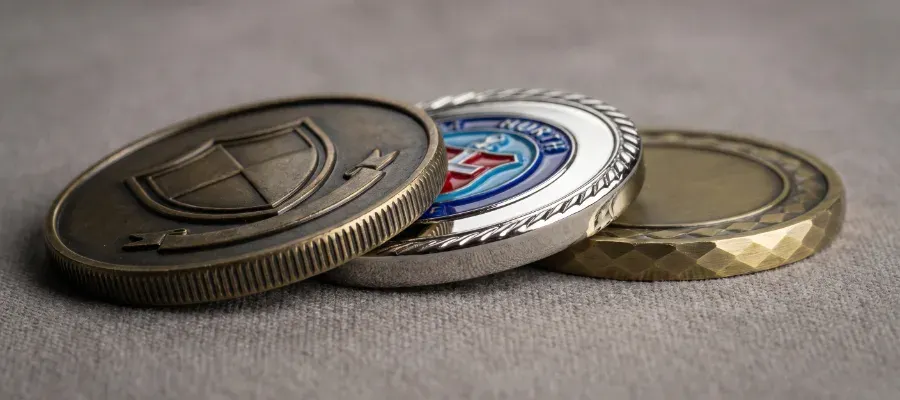
From there, plating and finish shape how a coin actually feels in hand. Antique finish adds contrast and depth. Polished finish leans clean and modern. Color gets added through soft enamel or hard enamel, sometimes both in one enamel fill process.
Edge style matters more than people expect. Reeded edge, rope edge, and diamond-cut edge options all add texture, and many programs add sequential numbering or a serial number to boost collectability on limited runs. See our guide on how to design a challenge coin for more on getting these choices right.
Packaging and Display
The last impression is packaging. A velvet box, coin capsule, or display case turns a coin into a proper keepsake instead of something that gets lost in a junk drawer, which matters just as much for a memorial coin as it does for a corporate award.

Eric Turney
Eric Turney A devoted father, football fanatic, and stand-up comedy enthusiast who loves nothing more than bringing people together over great food and a good time. When he’s not cheering on his favorite team or experimenting in the kitchen, you can find him connecting with others on LinkedIn

 Coins & Medals
 Corporate Gifting & Events
 Custom Labels & Accessories
 Everything Keychains
 Headwear
 Holidays