





























































Challenge Coin History & Tradition

Key Takeaways
- ‣ Challenge coin history traces to military tradition, with the most well-known story tied to World War I, though documented records often point to World War II and later.
- ‣ The coin check ritual varies by unit or organization, so local rules and etiquette always outweigh general internet advice.
- ‣ Challenge coins have expanded well beyond the military into law enforcement, fire departments, corporate recognition, and community outreach.
- ‣ Design details like engraving, color fill, unique shapes, and edge treatment are what separate a meaningful keepsake from a generic token.
Ready to create a coin that means something? Design your custom challenge coin with free proofing and no guesswork.
What a Challenge Coin Actually Is
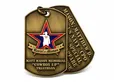
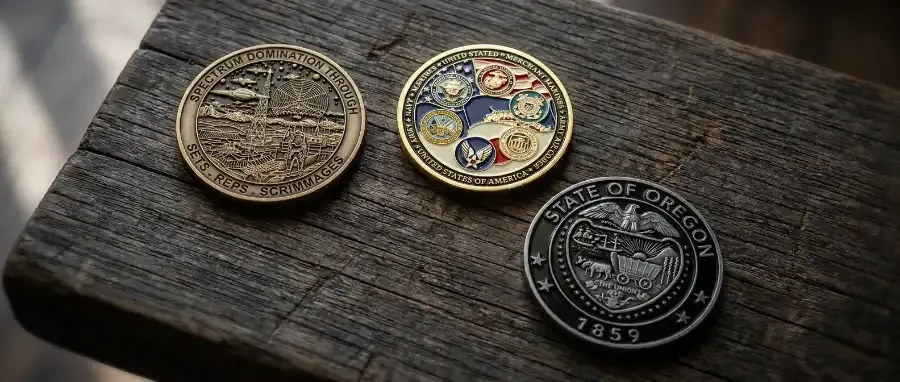
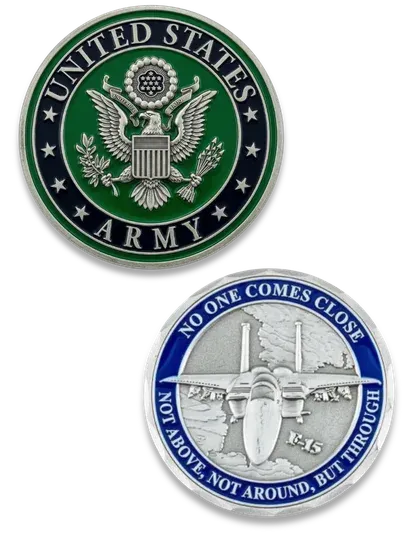
Military-inspired custom challenge coins are small medallion-style token that signals identity, belonging, and recognition within a specific group. It is not quite a medal, but it’s much closer to a portable badge of membership that says who you are and what you earned.
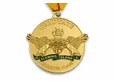
That distinction matters more than it sounds. A medal typically marks a formal, specific achievement. A commemorative coin may mark an event anyone could buy into. A challenge coin carries a stronger membership signal, which is why police challenge coins and military coins carry cultural weight far beyond their size.
At The Monterey Company, we have worked with military units, first responders, and corporate teams for 35+ years, and the question we hear most from first-time buyers is some version of “what makes a coin feel real?” The honest answer: history, ritual, and the design working together.


President Joe Biden once pointed to the words “We the People” on Gen. Mark Milley’s challenge coin, saying, “When it comes to the Constitution, that is and always has been Mark’s North Star.” The moment captures why military challenge coins have endured for generations. Though small enough to fit in a pocket, custom commemorative coins can carry a unit’s history, a leader’s principles, and a lasting record of service.
The Origin Stories (And What’s Actually Verified)
The World War I Pilot Account
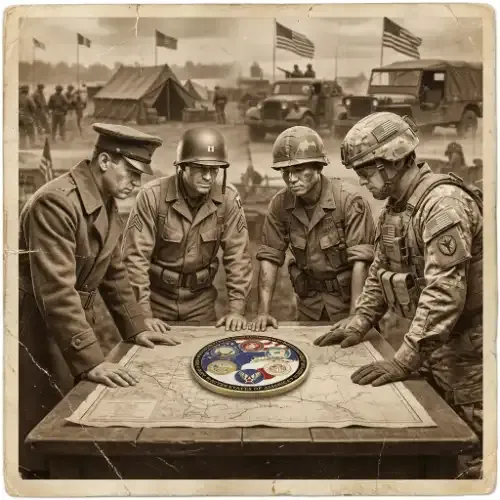
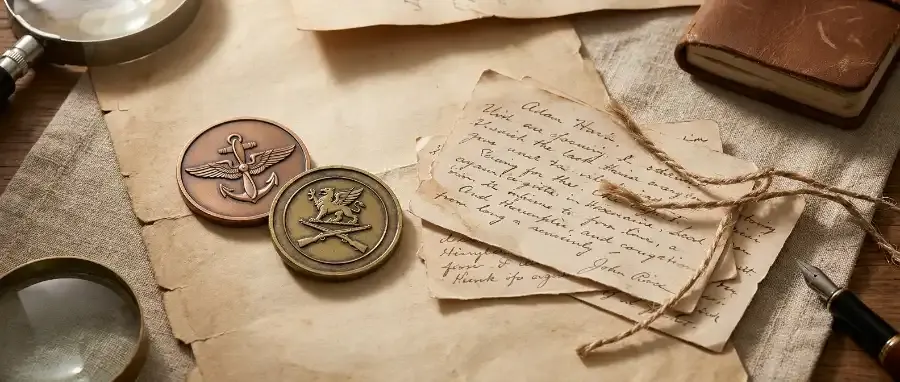
The most repeated challenge coin history story describes a wealthy U.S. Army Air Service lieutenant who had bronze medallions struck for his squadron. One pilot, after being captured and escaping behind enemy lines, used his coin for identity verification when he needed to prove his allegiance to French forces. The story is compelling. It is also widely treated as oral tradition rather than verified history.
That does not make it wrong, exactly. Groups preserve the stories that explain why an object deserves respect. This one frames the coin as proof of belonging under pressure, not decoration. That framing still holds today.
What the Documented Record Actually Says
The U.S. Department of War’s own history places the challenge coin tradition more firmly in World War II and later, presenting the World War I pilot account as the most common story rather than the starting point. There are also older military token traditions that predate both, and the Vietnam Era added its own layer, particularly around unit identification and combat service proof.
A careful reading shows two layers: older token traditions going back decades, and the specific coin check ritual and modern usage that became standardized later. The most honest thing anyone can say about challenge coin history is that the World War I story is the one people tell, and the documented military tradition solidified later.
How Military Tradition Shaped the Coin
From Unit Identifier to Esprit de Corps Tool
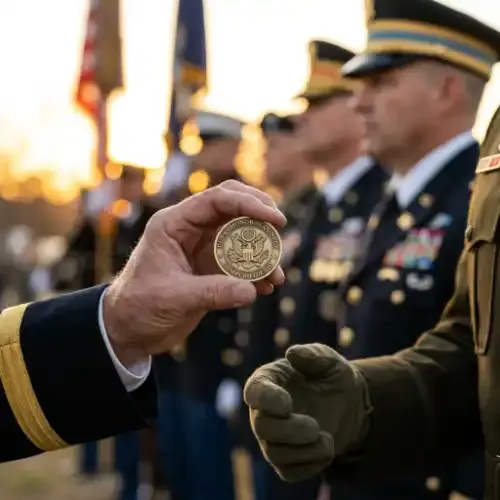
Challenge coins in the U.S. military started as informal tokens of unit pride and identity, then evolved into something a unit commander could use to reward special achievement, reinforce esprit de corps, and verify belonging without paperwork. That flexibility is a big part of why the military tradition stuck.
Coins are portable, personal, and story-driven. A coin handed to someone at a deployment event or retirement ceremony turns recognition into a ritual. That is different from a handshake and a thank-you, and people remember it differently.
Branch Traditions and Special Operations
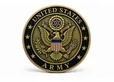
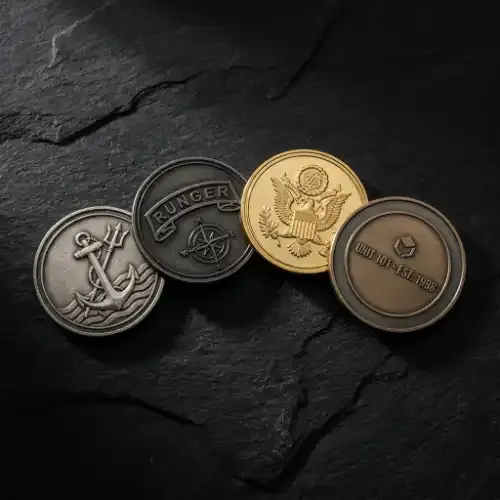
Different branches built different expectations around their coins. Special Operations communities in particular developed strong coin cultures with strict expectations around who earns a coin and how it is presented. Branch traditions vary enough that Navy SEAL coins, customized Army challenge coins, and a standard unit identifier coin may carry very different weight even if they look similar in hand.
The Coin Check: Rules, Etiquette, and Why They Vary
The “challenge” in challenge coin comes from the coin check, a social ritual where someone challenges others to produce their coin. If you cannot, the usual consequence is buying a round or another agreed penalty. There is no single official rulebook. Challenge coin rules vary by unit, organization, and culture. Veterans do take this very seriously.
Common Rule Sets
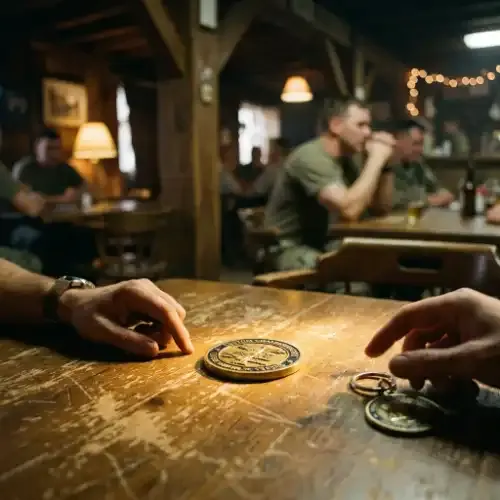
Common triggers include a verbal call-out, tapping a coin on a table, or raising it in a group setting. Those challenged are expected to produce their coin quickly. Some groups also have challenge coin rules around what counts – a coin on a keychain may or may not qualify depending on local etiquette. The key thing: local norms matter more than internet folklore here.
Presentation and Receiving Etiquette
Coins are usually presented with a handshake and a brief explanation of why the recipient earned it. The proper response is to acknowledge the meaning before inspecting the object. Receiving one is considered an honor, and treating it like a generic freebie misses the point entirely.
The exchange is often quiet and personal, even when it takes place in front of a larger group. A commander, supervisor, or fellow service member may use the moment to recognize leadership, sacrifice, teamwork, or a job well done. For the recipient, the coin becomes a reminder of the people, mission, and service connected to that recognition.
Beyond the Military: Law Enforcement, Fire Departments, and More
How Challenge Coins Spread Into Public Safety
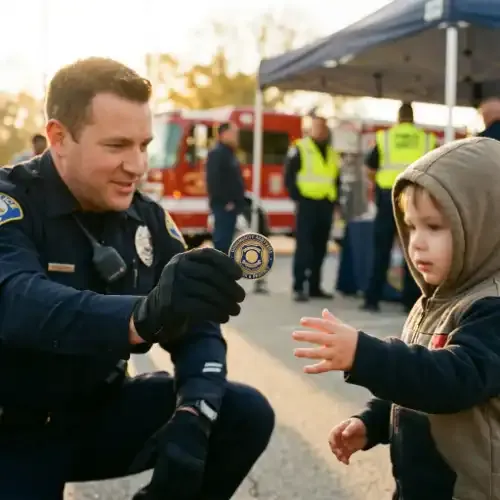
Challenge coins appear to have moved into law enforcement and fire departments mainly in the late 20th century, often through veterans who carried the challenge coin tradition into public safety careers after service. Departments adopted them for camaraderie, service recognition, and commemorative purposes. Fire and EMS organizations followed a similar path.
This expansion changed the coin’s role. In public safety, coins became tools for community outreach and public-facing relationship building, not just internal morale. When police officers give personalized law enforcement coins, it often signals appreciation tied to a specific interaction, a youth outreach program, or a partnership event.
Corporate Recognition and Fundraising
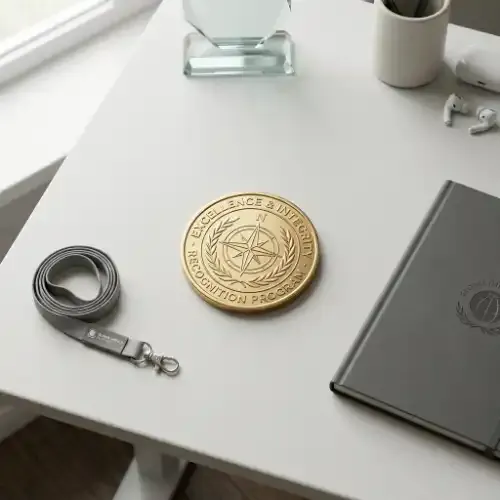
Challenge coins now appear in employee recognition programs, fundraising campaigns, alumni networks, and annual conferences. Organizations use them to mark milestones, thank sponsors, and create keepsakes that feel more permanent than typical swag.
The reason they work is simple: weight and permanence change how people value an object. A coin sitting on someone’s desk keeps doing its job long after a branded pen has been lost. That collectibility is a feature, not a side effect.
Design: What Separates a Meaningful Coin from a Generic Token
Core Design Elements
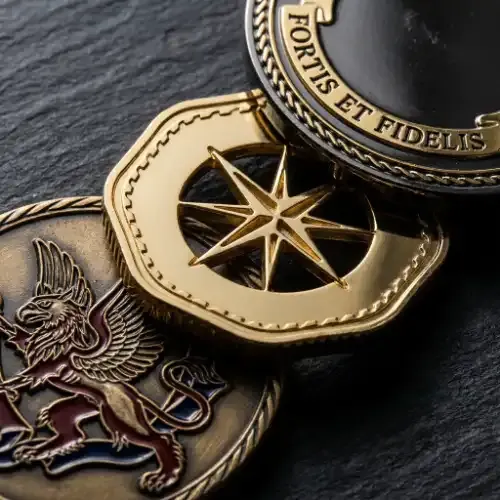
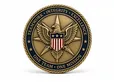
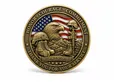
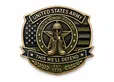
Authentic-feeling coins usually carry clear insignia, a motto or mission language, dates, and location references. Those details are what make a coin feel earned rather than purchased. Detailed engraving depth, relief height, and color fill choices all affect how the coin reads in-hand and on display.
Unique shapes, cutout designs, dual-plating, and edge treatment options expanded what a coin can communicate. These production features are what turned the coin from a simple medallion into something genuinely collectible.
Common Misconceptions About Challenge Coin History
The biggest mistake is treating one origin story as settled fact. The World War I pilot account is the most widely repeated, but it is tradition more than documented history. Presenting it as definitive and skipping the nuance undermines credibility with anyone who has actually studied the record.
The second mistake is assuming branch-wide uniformity. Challenge coin rules and traditions are mostly unit-specific. The same coin check may be treated very differently in two rooms full of veterans from different backgrounds. Accuracy depends on context as much as chronology.
Use institutional military sources for documented claims. Treat anecdotal stories as tradition unless you have primary documentation to back them up.
Looking for a coin that carries real meaning? Get your free proof from The Monterey Company and see your design before you commit to a single coin.
What the Tradition Represents Today
Challenge coins started as unit identifiers and evolved into one of the most durable recognition tools in military culture. Then they spread, because the underlying logic holds anywhere: story gives a coin meaning, ritual gives it social force, and design gives it staying power.
,
FAQ
What are the rules for challenge coins?
Rules vary by unit or organization. A common tradition is a coin check, where members must produce their coin or accept a small forfeit, such as buying a round. There is no single universal rulebook.
Why do they call it a challenge coin?
The name comes from the act of challenging someone to show their coin – an informal ritual that proves membership and reinforces group culture.
What does it mean if a cop gives you a challenge coin?
It typically signals appreciation or recognition tied to a specific interaction, outreach event, or support for the department. The exact meaning depends on the department’s program and context.
Is it an honor to receive a challenge coin?
Yes. In most military and public safety settings it is considered an honor, especially when presented by a unit commander or leadership tied to a significant event.

Eric Turney
Eric Turney A devoted father, football fanatic, and stand-up comedy enthusiast who loves nothing more than bringing people together over great food and a good time. When he’s not cheering on his favorite team or experimenting in the kitchen, you can find him connecting with others on LinkedIn

 Coins & Medals
 Corporate Gifting & Events
 Custom Labels & Accessories
 Everything Keychains
 Headwear
 Holidays