












































How to Create Custom PVC Patches: Ulitimate Guide

Key Takeaways
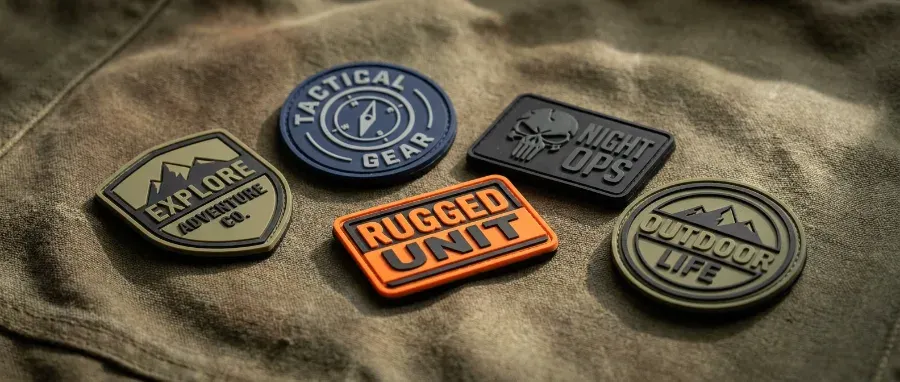
- ‣ Custom PVC patches are molded from soft rubber instead of being stitched, which makes them waterproof and able to hold fine detail.
- ‣ Creating one follows five stages: your artwork, a digital proof, a custom mold, molding with color fill, then your choice of backing.
- ‣ You can order them flat (2D) or sculpted (3D), with backings like sew-on, hook-and-loop, or iron-on.
- ‣ PVC is the better pick over embroidery for outdoor gear, small text, and gradients, and it holds up for years.
Ready to put your design in rubber? Start your custom PVC patch with a team that has been making patches since 1989.
How Do You Create a Custom PVC Patch?
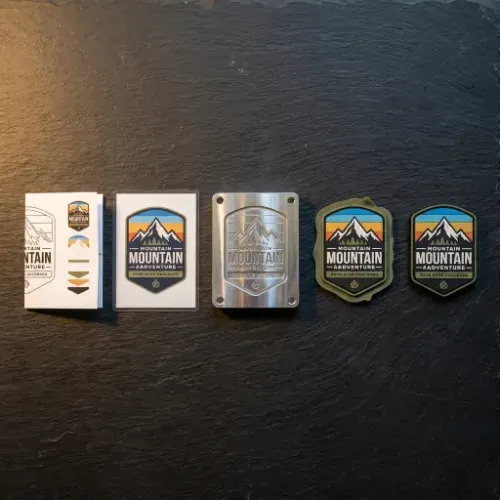
Creating a custom PVC patch comes down to five stages: you send your artwork, you approve a digital proof, we cut a custom mold from that proof, the patch gets molded and filled with color, and then we add whatever backing you need. The whole thing starts with a flat design idea and ends with a soft rubber patch you can sew, stick, or strap onto almost anything.
The reason it works this way is that PVC patches are not sewn at all. They are molded, a lot more like pouring a gummy candy into a tray than stitching thread onto fabric. That single difference is what makes them waterproof and sharp on detail, and it is also why the process has a mold step that embroidered patches never need.
Start With Your Artwork
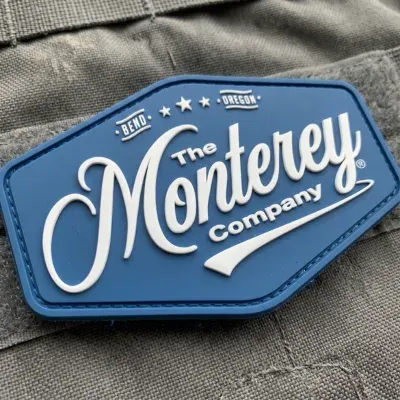
Everything keys off your art. A clean vector file (.ai or .eps) with the colors separated gives the best result, because each color in a PVC patch is its own poured section. You can absolutely send a logo, a sketch, or even a rough idea, and the art team will redraw it into something mold-ready. Honestly, the cleaner the file you start with, the fewer rounds of back and forth you will have later.
Approve Your Digital Proof
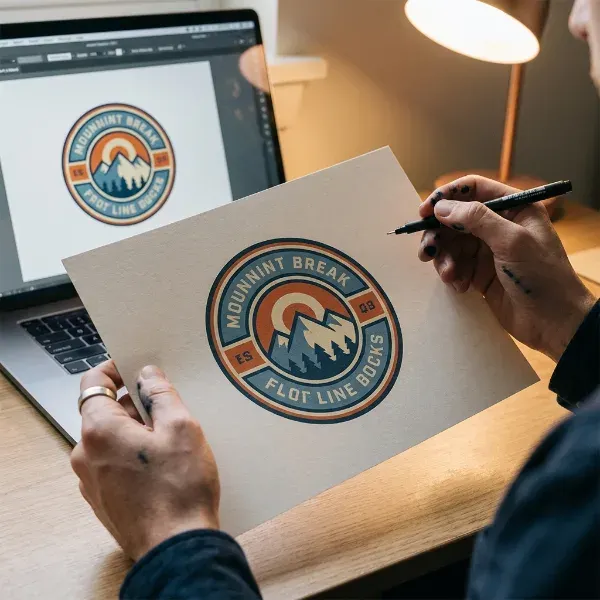
Before any rubber gets poured, you get a digital proof, which is a flat color rendering of how the patch will look. This is the step to slow down on. Check your spelling, your colors, and how the small stuff reads, because the proof is what the mold gets cut from, and a mold is permanent once it exists.
Mold, Color, and Backing
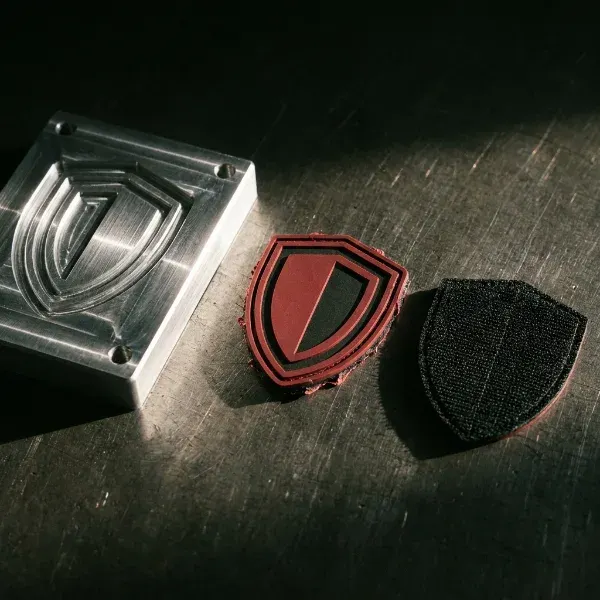
Once you approve the proof, your design gets turned into a custom mold. Colored PVC compound is then set into the mold, cured, and trimmed, and your chosen backing is added last. Lead time depends on size and quantity, and there is usually a one-time mold cost on the first order.
What Are PVC Patches Made Of?
PVC patches are made of a soft, flexible form of polyvinyl chloride, which is the same plastic family used in things like garden hoses and rain gear. For patches it is mixed into a pliable rubber compound, colored, and molded, which is why a PVC patch feels rubbery and slightly squishy rather than stiff.
That material is the whole reason these patches shrug off water and sun. There is no thread to soak up moisture and no dye to fade, so the colors stay put. If you want the deeper version of this, our post on what a PVC patch is breaks down the material side, and how PVC patches are made walks the production line in more detail.
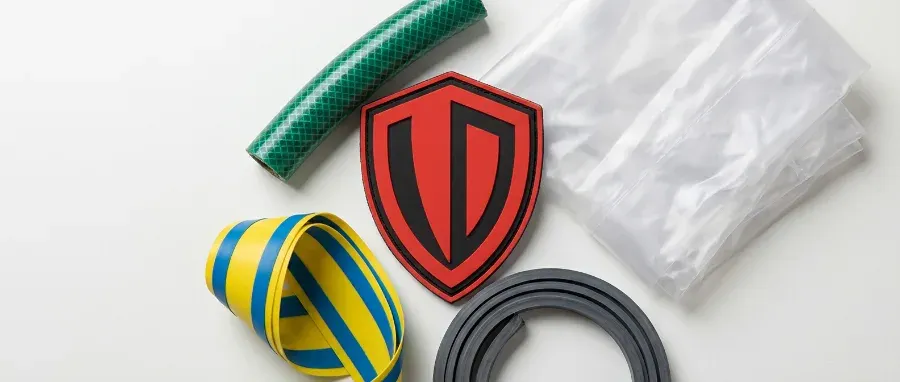
2D vs 3D PVC Patches
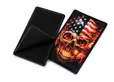
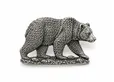
You get two looks to choose from. A 2D patch keeps every element on one flat level, a bit like a rubber sticker. A 3D patch raises elements to different heights so the design gets real shadows and depth, which looks great on things like skulls, animals, and layered logos. 3D usually costs a little more, and I think it is worth it whenever the design has overlapping shapes that benefit from the extra dimension.
Why Choose PVC Over Embroidery?
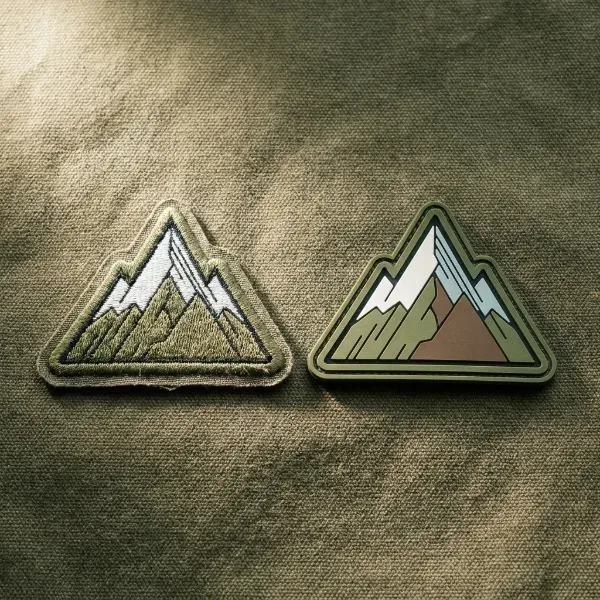
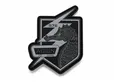
PVC wins anytime the patch will get wet, sit in the sun, or carry fine detail that thread would turn into a fuzzy blob. Embroidery has real physical limits on how thin a line it can hold, while a mold can capture much crisper detail and even smooth gradients. For tactical gear, outdoor brands, and hat patches, PVC has quietly become the default.
Embroidered patches still have their place, especially when someone wants that classic stitched texture or the design is big and chunky. So this is less about one being better across the board and more about matching the method to the job.
How Do You Attach and Care for a PVC Patch?
PVC patches attach in a few different ways depending on how permanent you need them to be. The backing you pick at order time decides this, so it is worth a quick think before you finalize.
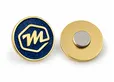
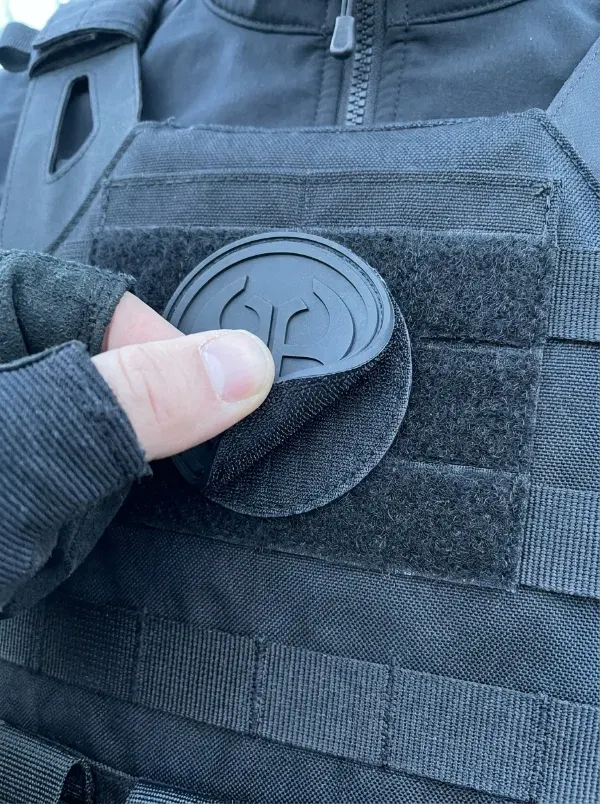
Sew-on is the most permanent option, ideal for uniforms and gear you will keep for years. Hook-and-loop lets you swap patches on and off, which is why tactical and morale patches almost always use it. Iron-on is convenient, but the rubber can soften under high heat, so it is the least reliable choice for PVC and best saved for casual, low-wash items. If you go iron-on, our notes on heat pressing PVC patches cover the cautions.
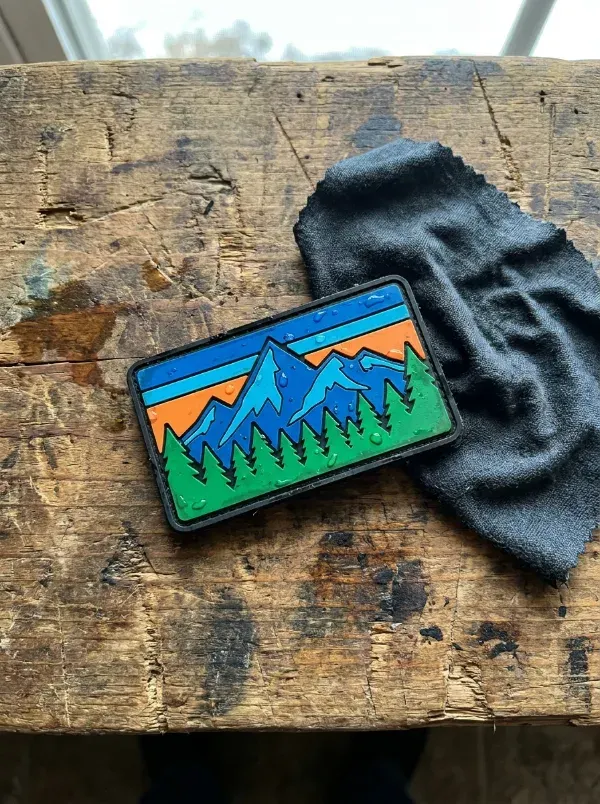
Care is the easy part. Because PVC is waterproof, you can wipe a patch clean or let it go through normal use without much worry. A well-made PVC patch tends to outlast the gear it sits on.
Over 35 years of manufacturing and 1,000+ five-star reviews. Get a free quote on your custom PVC and see what your design looks like in rubber.
Frequently Asked Questions About Custom PVC Patches
What does PVC stand for, and what does it mean for patches?
PVC stands for polyvinyl chloride. For patches, it means the design is molded from a soft rubber compound rather than stitched, which is what gives these patches their waterproof, fade-resistant quality.
Are PVC patches waterproof?
Yes, fully. The rubber does not absorb water, so you can get them wet, leave them in the rain, or wipe them down without the colors bleeding or the patch warping. This is the single biggest reason outdoor and military buyers moved away from embroidery.
How long do PVC patches last?
A quality PVC patch lasts for years of normal use and usually outlives the item it is attached to. Sun and heavy abrasion are the main things that wear them down over a long enough timeline.
How durable are PVC patches?
Very. There are no threads to fray or unravel, the color is part of the molded material, and the rubber flexes instead of cracking under normal handling. Hook-and-loop backing also lets you remove the patch before washing gear, which extends its life even further.
Are PVC patches better than embroidered patches?
For wet conditions, fine detail, gradients, and small text, yes. For a traditional stitched look or a bold, simple design, embroidery is still a great call. It comes down to the design and where the patch will live.
Can a PVC patch be made from a picture or logo?
Yes. You can send a logo or image, and the art team will translate it into a mold-ready design. Clean vector art works best, but a high-resolution file is usually enough to start from.
Can you put a PVC patch on with an iron?
Sometimes, if you order iron-on backing, but it is the least dependable option for PVC because the heat needed for the adhesive can soften the rubber. For anything you will wash often or wear hard, sew-on or hook-and-loop is the smarter pick.
Can PVC patches be sewn on?
Yes. Sew-on backing is a standard option and it is the most permanent way to attach a PVC patch to a jacket, bag, or uniform.
Can you get hook-and-loop backing on a PVC patch?
Yes, and it is one of the most popular choices. The hook side goes on the patch and the loop side lives on your gear, so you can swap patches in seconds. More details live in our hook-and-loop patch guide.
What is the difference between 2D and 3D PVC patches?
A 2D patch keeps all elements on one flat plane, while a 3D patch raises them to different heights for depth and shadow. 3D costs a bit more but reads better for layered or sculpted designs.
What is the difference between PVC and vinyl patches?
They are closely related, since vinyl is a form of PVC, but in the patch world “PVC patch” almost always refers to the molded soft-rubber style described here. Terms like rubber patch and silicone patch get used loosely too. Our PVC vs silicone patches comparison clears up that specific mix-up.
Can PVC be embroidered?
No. Embroidery is stitched thread on fabric, while PVC is molded rubber, so they are two different processes. If you want a stitched element alongside rubber, that is a different build, not embroidery on the PVC itself.
Can you make a PVC patch at home?
Not really. Molding PVC takes a custom metal mold and industrial curing equipment, which is well outside a typical home setup. This is one of those products where ordering from a manufacturer is genuinely the practical route.
What sizes do PVC patches come in?
PVC patches are made to order across a wide range of sizes. Size, along with quantity, is one of the biggest factors in the final price.
What are PVC patches used for?
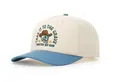
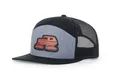
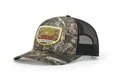
The heaviest uses are military and tactical morale patches, outdoor and adventure brands, workwear, airsoft and paintball kit, and hat patches for caps and snapbacks. The rigidity holds shape well on a hat, and the waterproofing suits anything that lives outside.
How much do custom PVC patches cost, and how long do they take?
Cost depends on size, quantity, 2D or 3D, and backing, and turnaround depends on the same plus current production load. The fastest way to a real number is a quick quote with your size and quantity.

Eric Turney
Eric Turney A devoted father, football fanatic, and stand-up comedy enthusiast who loves nothing more than bringing people together over great food and a good time. When he’s not cheering on his favorite team or experimenting in the kitchen, you can find him connecting with others on LinkedIn

 Coins & Medals
 Corporate Gifting & Events
 Custom Labels & Accessories
 Everything Keychains
 Headwear
 Holidays