















































Types of Charms for Bracelets

Key Takeaways
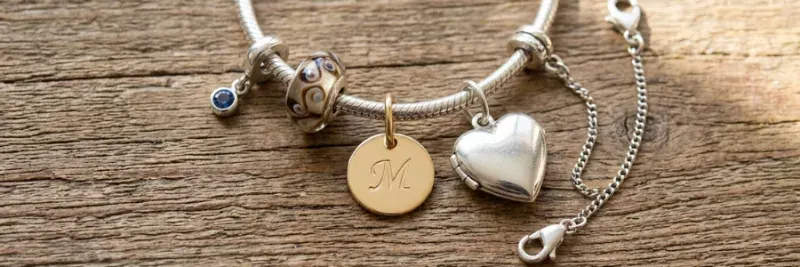
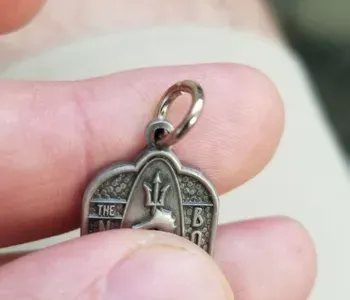
▪︎ Custom bracelet charms fall into five forms: dangle, bead, disc or coin, locket, and functional.
▪︎ The attachment method affects flipping, comfort, and how easily a charm can be swapped.
▪︎ Construction methods (soft enamel, hard enamel, die cast, printed charms) each suit different artwork.
▪︎ Always request a bracelet-scale proof before approving any production run.
Designing custom charms for a team, fundraiser, or program? Request a quote from The Monterey Company and we’ll help you spec the right form, attachment, and material before any proof goes out.
What Are the Main Types of Custom Charms for Bracelets?
If you’re sorting through types of custom charms for bracelets, the choice comes down to four decisions: the form of the charm, how it attaches, the material and finish, and the construction method behind the artwork. Each one shapes how the finished piece looks, sounds, and wears.
That’s where this guide starts: before you pick the charm, pick the bracelet.
Start With the Bracelet Base, Not the Charm
The bracelet base controls spacing, movement, and how a charm hangs. A charm that looks balanced on one base can twist, flip, or clack on another, which is why wearability problems usually trace back to the base rather than the charm itself.
A chain bracelet swings freely and works well with dangle charms, but loop placement on each charm has to be center-aligned. A bangle bracelet pivots from fixed points and handles heavier charms better. A semi-rigid bracelet, including most snake chain styles, maintains tight spacing and is the natural home for bead and slider charms.
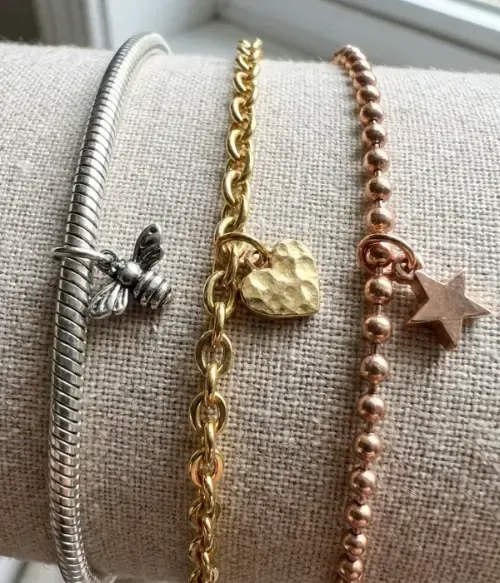
Within chain styles, link type matters too. A cable chain accepts most jump rings without issue. A snake chain calls for a large-hole bead. A ball chain pairs best with charms designed specifically for that thinner profile.
The Five Charm Forms
Custom bracelet charms fall into five main forms in production: dangle, bead, disc or coin, locket, and functional pieces. Each one solves a different problem.
According to Jennifer Shanker, founder of MUSE Showroom, the appeal of charm bracelets comes down to meaning. “If you can find personal meaning in a charm, you will never want to take it off,” she told Vogue. That is why charm bracelets remain popular across generations. They are not just accessories. They become wearable reminders of people, places, milestones, and memories.
Dangle Charms
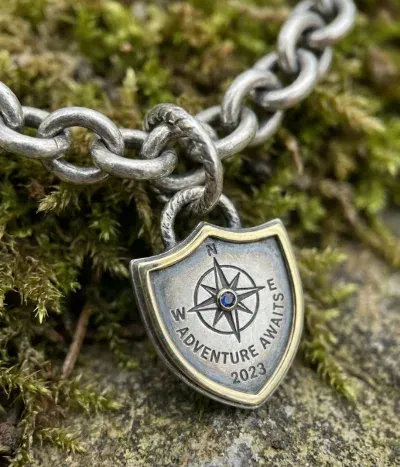
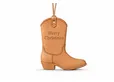
A dangle charm hangs from a jump ring or bail and swings with movement. That motion makes it the most visible form on a bracelet, which is why it’s the default for symbols, mascots, religious charms, and giftable designs.
The trade-off is stability. If the loop placement is off-center or the dangle is too heavy for the bracelet, the charm rotates backward, and the wearer sees more hardware than artwork. Twisting and flipping are the two complaints we hear most when the proof step gets skipped.
You will also see enamel color added to many dangle charms, especially when the design needs bright areas, logo colors, or small details that stand out. Enameling is the process of filling recessed areas of metal with colored enamel, then curing or polishing the surface, depending on the finish. For custom enamel charms, this adds more personality while still keeping the shape, metal lines, and movement that make dangle charms so popular.
Bead Charms
A bead charm threads onto the bracelet through a center opening. The most common version is the large-hole bead, sized to slide over a snake chain. A slider charm uses a tighter opening that grips a cable chain more firmly.
Bead charms sit centered and don’t twist, which helps comfort and weight distribution. They work well for repeat motifs, color blocking, and the stackable looks made popular by brands like Pandora and Nomination. The weakness is a smaller visible surface, so intricate cut-outs and very fine raised details lose impact at that scale.
Disc, Coin, and Medallion Charms
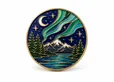
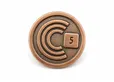
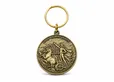
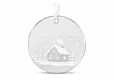
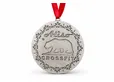
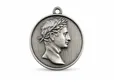
A disc charm, coin charm, or medallion charm gives you a flat face to work with. Engraving works well here, and so does enamel for color. Letter charms and family charms usually come in this form because legibility matters more than silhouette. The same flat-face logic shows up in our work on custom challenge coins, which share the engraving and medallion form factor.
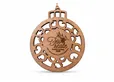
Thickness and edge finishing decide whether the piece reads as jewelry or a token. A thin, engraveable disc with rough edges feels promotional. A thicker medallion with a polished finish or an antique finish reads as a keepsake. James Avery and KAY Jewelers rely heavily on this form in their personal-engraving lines for that reason.
Locket and Photo Charms
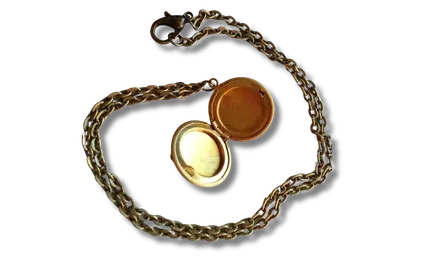
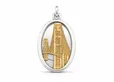
A locket charm opens. That single feature separates it from every other form. The interior can hold a small photo, a written note, or a tiny memento, which is why a photo charm or locket charm usually carries the highest emotional value on a finished bracelet.
These need careful proofing. Closure hardware does the heavy lifting; the hinge has to withstand daily wear, and the interior depth has to accommodate whatever the owner wants to put inside.
Spacer, Stopper, and Safety-Chain Charms
A spacer charm, stopper charm, or safety chain doesn’t draw attention. That’s the point. Spacers manage layout between larger pieces. A stopper charm keeps beads from sliding into a clump. A safety chain reduces the chance of losing the entire bracelet if the clasp opens unexpectedly.
Most buyers skip these in the first design pass. They shouldn’t. A finished bracelet without functional pieces tends to wear poorly within six months.
How Charms Attach to the Bracelet
Attachment hardware controls flipping, clacking noise, ease of swapping, and whether the bracelet feels like jewelry or a craft project. Compatibility matters at three levels: hole size, ring gauge, and clasp clearance.
Jump Rings and Split Rings
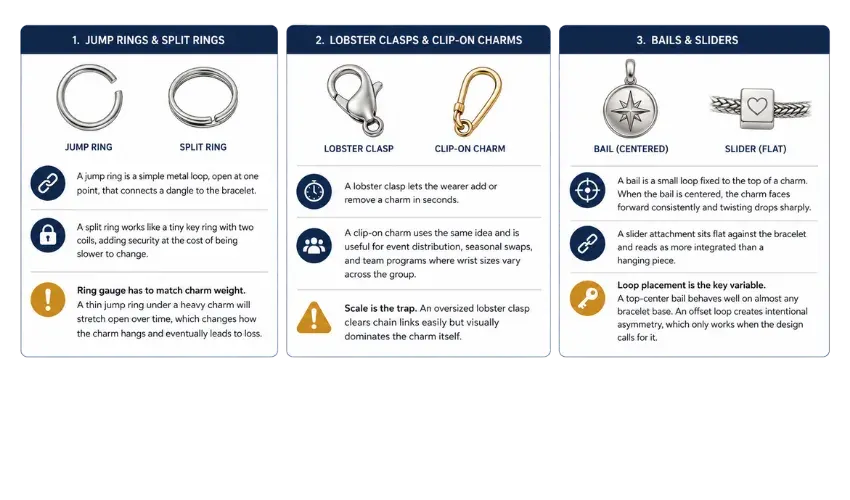
A jump ring is a simple metal loop, open at one point, that connects a dangle to the bracelet. A split ring works like a tiny key ring with two coils, adding security at the cost of being slower to change.
Ring gauge has to match charm weight. A thin jump ring under a heavy charm will stretch open over time, which changes how the charm hangs and eventually leads to loss.
Lobster Clasps and Clip-On Charms
A lobster clasp lets the wearer add or remove a charm in seconds. A clip-on charm uses the same idea and is useful for event distribution, seasonal swaps, and team programs where wrist sizes vary across the group.
Scale is the trap. An oversized lobster clasp clears chain links easily but visually dominates the charm itself.
Bails and Sliders
A bail is a small loop fixed to the top of a charm. When the bail is centered, the charm faces forward consistently and twisting drops sharply. A slider attachment sits flat against the bracelet and reads as more integrated than a hanging piece.
Loop placement is the key variable. A top-center bail behaves well on almost any bracelet base. An offset loop creates intentional asymmetry, which only works when the design calls for it.
Material and Finish Options
Material decides what the charm looks like on day one. Finish decides what it looks like in six months. Both shape cost, maintenance, and visual tone before anyone reads the artwork on top.
Sterling Silver, Gold-Plated, and Rose Gold
Sterling silver reads classic and collectible, which is why it’s the default for heirloom pieces and milestone gifts. Gold-plated and rose gold options feel dressier and more gift-forward, especially when the bracelet itself is the present. For a deeper look at how plating colors compare and wear over time, our guide to types of metal platings covers that level of detail.
Mixed metal styling works when the undertones agree. Cool silver next to a very warm gold-plated charm reads as mismatched unless the contrast is repeated elsewhere on the wrist. Modern personalization brands like Rellery pull off mixed metal looks because the contrasts are deliberate.
Stainless Steel, Brass, and Zinc Alloy
Stainless steel handles daily wear without much maintenance, which is why it shows up so often in retail jewelry built for everyday use. Brass develops a patina over time and gives older pieces a vintage character. Zinc alloy is common for die cast shapes where custom form matters more than precious-metal feel.
Each material maps to a different order reality. Stainless steel suits frequent wear and large group orders. Brass suits character pieces. Zinc alloy suits custom shapes at a workable budget, including the bulk runs typical of custom branded gifts and company gifts.
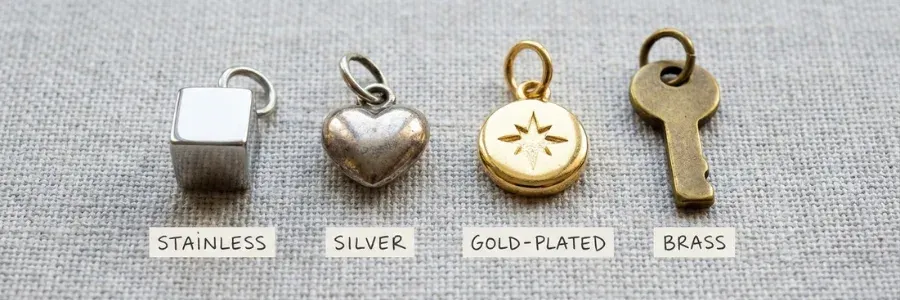
Four common charm materials side by side for comparison.
Construction Methods
Construction is the part most buyers skip until the proof comes back. The method determines what your artwork can become at bracelet scale, where gradients, tiny text, and thin lines start to fail. The same enamel and die-cast processes show up in our work on custom lapel pins, which run on the same production methods covered below.
Soft Enamel
Soft enamel uses raised metal lines and recessed color. The raised details give the surface texture you can feel, which is why soft enamel custom metal products read as traditional and tactile. It’s a strong fit for bold icons, separated color blocks, and crest-style art, which are common in military, fire, and school designs.
Very fine details often need to be simplified before production. The metal borders consume visual space, and a design that looks crisp on screen can lose hierarchy at a one-inch scale.
Hard Enamel
Hard enamel polishes the color and metal until they sit flush. The result is a smooth finish that reads as retail jewelry rather than a custom token. Keepsake items, recognition pieces, and high-perceived-value gifts usually run in hard enamel for that reason, which is why our custom medals use the same process.
The clean surface makes the shape quality more visible, so both the artwork and the base metal need to be resolved cleanly during proofing.
Die Cast
Die cast charms use sculpted relief instead of color. Cut-outs, raised details, and antique finishes all work well in this method. It’s the best fit when the design should feel substantial without enamel fill, which is common for crests, religious charms, and military symbols.
This is the method to reach for when texture is the message. A flat printed version of the same artwork would look like a sticker, while a die-cast version reads as solid metal.
Printed Charms
Printed charms handle gradients, photo-like detail, and color transitions that enamel borders can’t separate cleanly. Illustration-heavy designs and tiny text often have to be printed because no other method preserves the line work.
Set realistic abrasion expectations. Printed surfaces use a protective layer, but they don’t wear identically to a hard enamel or die-cast face.
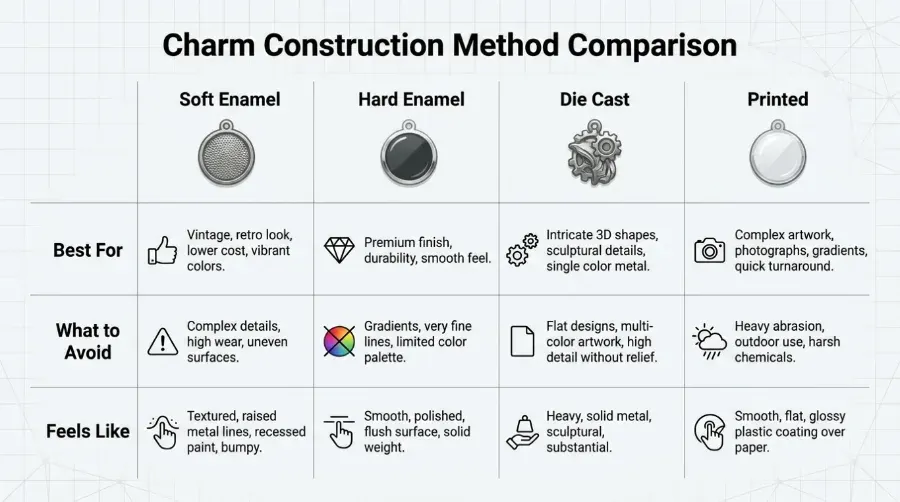
Construction methods compared: soft enamel, hard enamel, die cast, and printed.
Choosing the Right Type for Your Project
The right type depends on use case as much as aesthetics. The same design goal often has two or three workable solutions, each with different trade-offs in cost, distribution, and wear.
Fundraising and Awareness Bracelets
For fundraising, a disc charm or medallion charm with engraving or hard enamel works well. The flat surface keeps the message readable, and clip-on attachment simplifies distribution when wrist sizes vary across donors. Heart charms and ribbon-style designs are common motifs for awareness programs.
Employee Recognition and Milestone Gifts
For employee recognition, hard enamel or die cast with an antique finish ages better than printed surfaces. A date or initials added through engraving or letter charms makes the piece personal without crowding the main design.
Kids’ Teams and Youth Programs
For youth use, lighter dangles or beads reduce wrist fatigue. Safety chains and stoppers matter more here because active wear increases the chance of sliding and loss. Heart charms, hobby charms, travel charms, and personalized styling like a name letter charm all pair well with this age range. Brands like CHARM IT! built their entire catalogs around the youth segment, and similar hardware appears in our custom keychains for active programs.
Mistakes That Make Custom Charm Bracelets Disappoint Later
The most common mistake is choosing by photo alone. A listing image hides movement, hardware scale, and center of gravity. The charm can look excellent on a white background and still flip constantly once it’s on a wrist.
The next mistakes are over-detailing and ignoring compatibility. Tiny text and thin lines disappear at bracelet scale. Hole size, chain thickness, and clasp clearance lead to returns when the measurements don’t line up.
A finish mismatch is the last common one. A polished finish or smooth finish shows scratches quickly. An antique finish or matte finish hides wear better and tends to age more gracefully under daily use. Match the finish to how often the bracelet will actually be worn, not to how it photographs on day one.
The fix for all of these is one step: a real bracelet-scale proof at the actual finished size on the actual bracelet base. Looking at the design that way surfaces problems that no large render can show.
Need help spec’ing custom charms for your group, program, or event? Get a quote from The Monterey Company and we’ll walk through form, attachment, material, and construction with you before any proof goes into production.
Resources
Guide to Types of Metal Platings
A deeper breakdown of plating colors, wear patterns, and how to tell the difference.
Charm Bracelet Background on Wikipedia
Background reading on the history and cultural development of the charm bracelet form.

Eric Turney
Eric Turney A devoted father, football fanatic, and stand-up comedy enthusiast who loves nothing more than bringing people together over great food and a good time. When he’s not cheering on his favorite team or experimenting in the kitchen, you can find him connecting with others on LinkedIn

 Coins & Medals
 Corporate Gifting & Events
 Custom Labels & Accessories
 Everything Keychains
 Headwear
 Holidays