





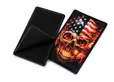

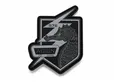












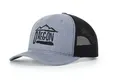
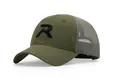



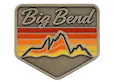










Sublimated Patch vs Embroidered Patch: Which Should You Choose?

Key Takeaways
- ‣ Sublimation printing uses heat and pressure to push ink into polyester, while embroidery builds a raised texture with stitched thread.
- ‣ Custom sublimated patches handle color gradients and full-color designs best. Embroidery patches usually win in durability and texture.
- ‣ Both patch styles work on sports jerseys, sportswear, and everyday custom apparel, not just hats and jackets.
- ‣ The Monterey Company has made both patch types for over 35 years, with low minimum order quantities and a free digital proof on every order.
Ready to bring your patch design to life? Design your custom patch with free proofing and no guesswork.
Sublimated vs Embroidered Patches: The Quick Answer
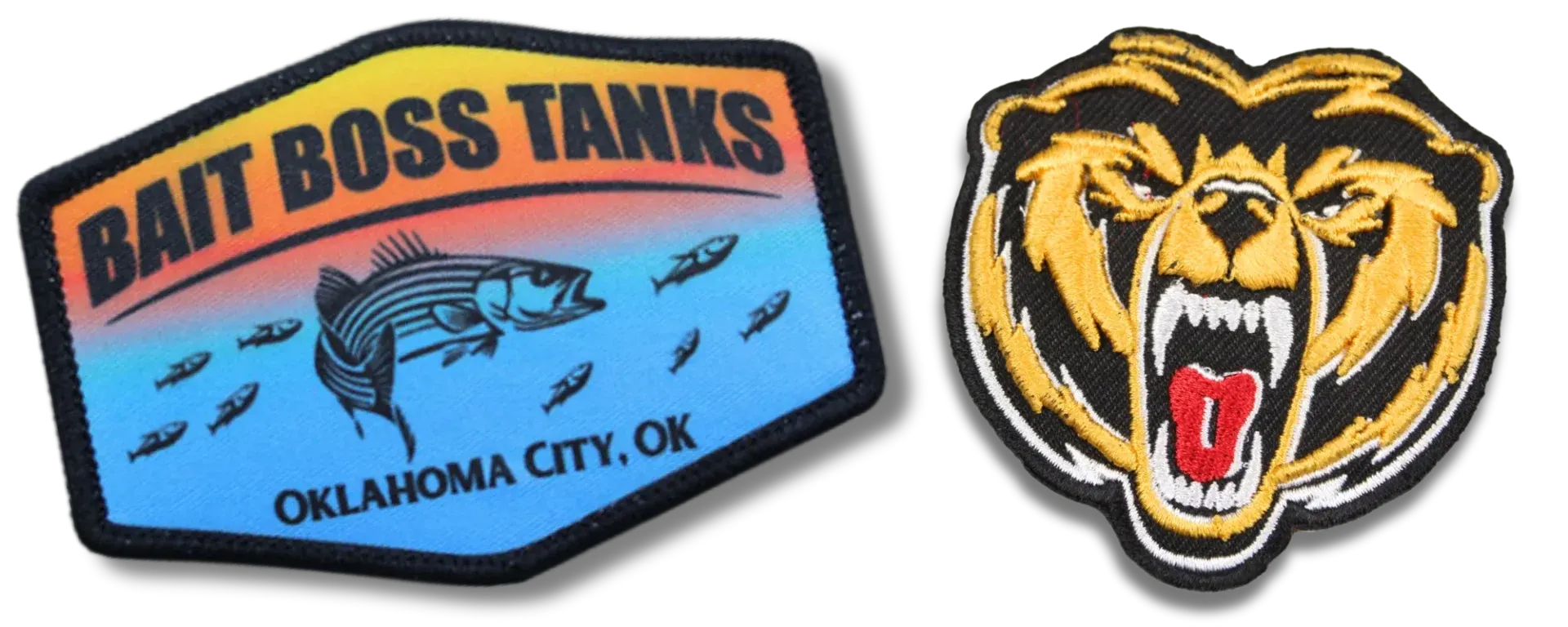
If you’re stuck deciding between custom sublimated vs custom embroidered patches, here’s the short answer. Sublimation printing uses heat and pressure to infuse sublimation ink into polyester fabric, giving you unlimited color gradients and full-color designs with near-photo-like detail. Embroidery stitches thread through the fabric instead, building up a raised texture that holds up through years of wear.
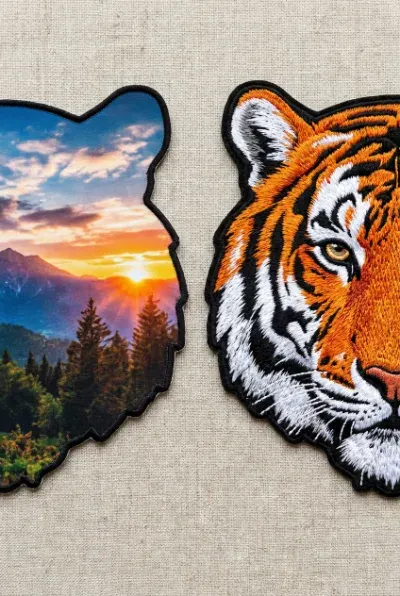
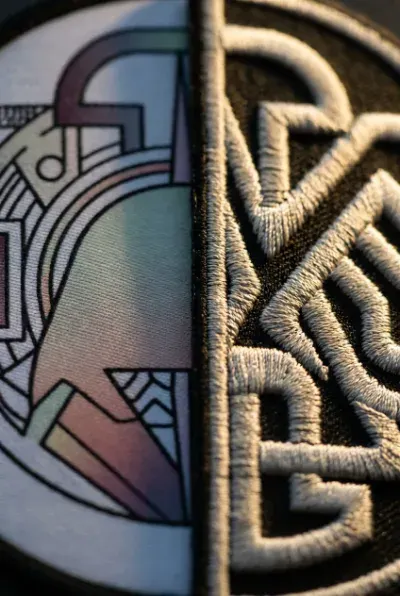
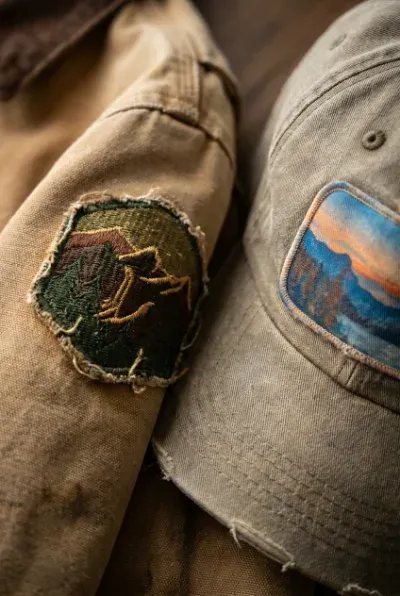
Neither process wins across the board. They’re built for different jobs. Choose sublimated patches when your design leans on shading, gradients, or fine text. Choose embroidered patches when durability and that classic, textured feel matter more than color range.
How Sublimation Printing Actually Works
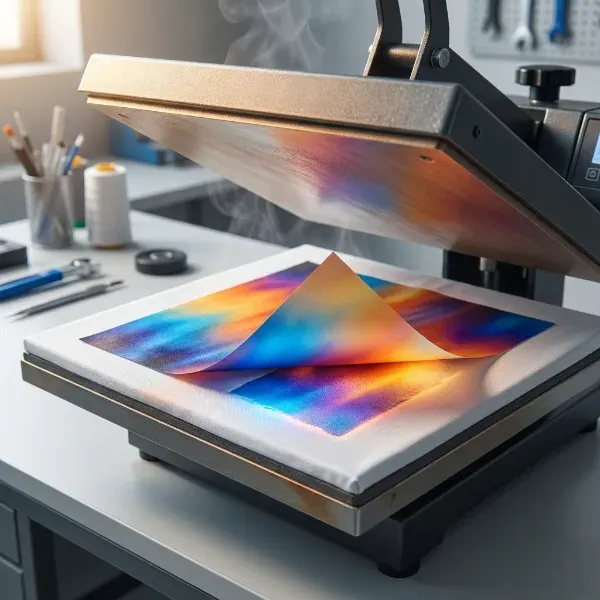
Sublimation starts as a digital design, prints onto sublimation paper, then transfers using a heat press. Under heat and pressure, sublimation ink turns into a gas and bonds directly into the fabric instead of sitting on top of it. Our custom sublimation process gives brands full control over color, since there’s no thread palette holding the design back.
Why Polyester Makes or Breaks Sublimated Patches
Because the ink bonds at the molecular level, this process only works with polyester or polyester blends. Try it on cotton, and the color sits on the surface instead of soaking in, then fades fast. That’s also why sublimated patches show up so often on sports jerseys and performance fabrics. Moisture-wicking, sweat-fighting materials are almost always polyester-coated, so the ink and fabric are a natural match.
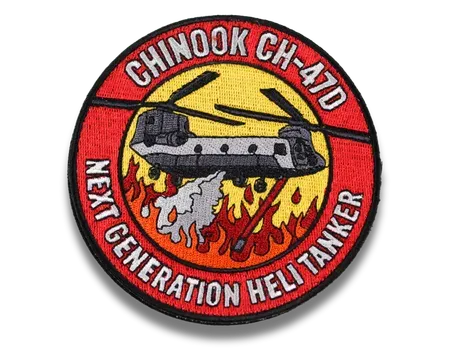
Sublimation also allows for all-over printing, meaning color can run edge-to-edge across the whole patch instead of staying boxed inside separate shapes. Production time tends to be quick too, sometimes just a few business days from proof to finished patch.
How Custom Embroidery Works, Stitch by Stitch
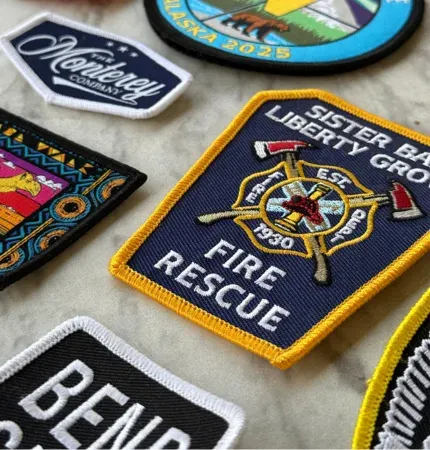
Embroidery takes more hands on work. Digitizing software turns your logo into a stitch file, and an embroidery machine builds the design layer by layer, often starting with white polyester embroidery thread as a base before adding color threads on top. Some customers sketch their idea first in a consumer app like Artspira just to see it laid out, but our digitizing team still builds the final professional stitch file before anything gets stitched. Stitch count matters here. More stitches mean more detail, but also longer production time and sometimes a higher per-item cost. The backing behind all that thread matters too, more on that in our guide to patch backing.
Tackle Twill and the Little Details That Add Up
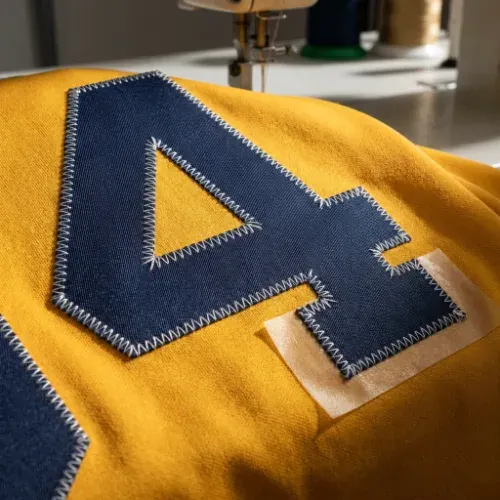
Some embroidered patches use tackle twill for big, bold letters and numbers, which is common on custom team jerseys that need to survive a full season of games and washes. Heat-resistant tape, sometimes called heat-proof tape, often gets used mid production to hold layers steady before the final stitching locks it all in place.
Where These Patches Actually Show Up
Both styles show up constantly on sports jerseys, custom sportswear, custom apparel, and even sports bras used for team branding. If you’re a sportswear brand handling a custom sportswear logo request, the fabric matters just as much as the design. Performance fabrics stretch and move, so the patch needs an attachment method that keeps up, whether that’s custom embroidery, heat transfer, or a strong adhesive backing.
To be clear, we handle the patch, not the garment. Brands running their own custom sportswear manufacturing usually partner with us just for the patch itself, then add it during their own sportswear production run. If leather patches are more your speed, our guide to heat pressing leather patches on hats covers that process instead.
A Quick Word on Screen Printing and Vinyl Transfer
Screen printing and vinyl transfer are two more methods worth knowing, though neither one is really a patch. Screen printing puts ink directly onto the garment. Vinyl transfer uses a cut vinyl design applied with a heat press or household iron. Patches, sublimated or embroidered, tend to last longer because they’re a separate piece, sewn or pressed on, rather than printed straight into the shirt.
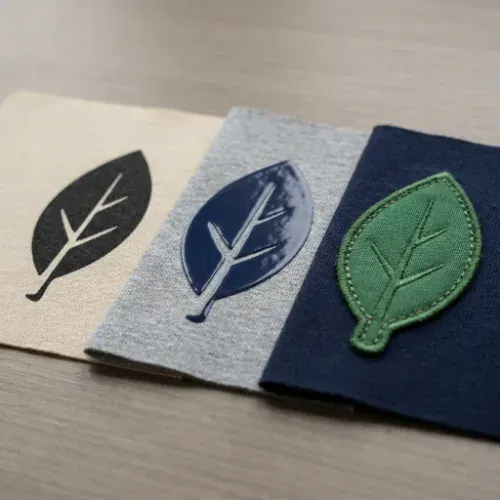
Still deciding between sublimated and embroidered? Request your free patch quote and we’ll help you choose.
Cost, Minimums, and What Actually Moves the Price
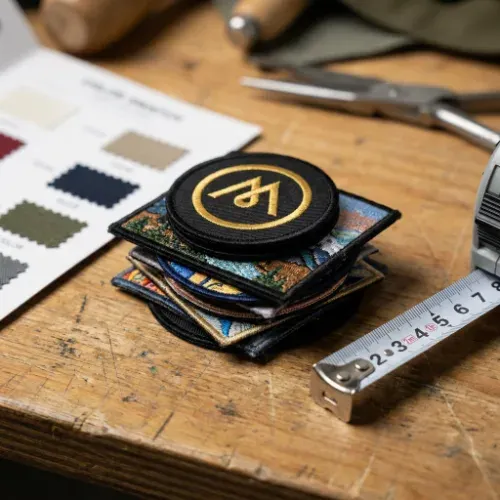
Setup fees and per-item cost shift depending on stitch count, design complexity, and size, so treat any number here as a starting point rather than a quote. Most manufacturers, us included, have minimum order quantities, though we keep ours low so smaller teams aren’t stuck ordering hundreds of custom patches they’ll never use. Color accuracy usually favors sublimation since it isn’t limited by available thread colors. Embroidery gets close, but fine color gradients are tough to match exactly with thread. Logo placement matters too. Curved seams and pockets sometimes call for a smaller, simpler design no matter which process you pick.
So, Which One Should You Actually Choose?
Pick sublimated patches for designs with photo like detail, gradients, or small text. Pick embroidered patches for a raised, textured patch that feels traditional on a hat, jacket, or uniform. Want a middle ground? Woven patches split the difference, using thinner threads for a flatter look with more visible detail than standard embroidery. Or go with PVC patches if you want a raised, rubbery, 3D look instead.


Still not sure? That’s honestly the most common question we hear, so just ask. Every order includes a free digital proof and hands-on guidance from a real person on our team, so you’ll see color accuracy and detail mapped out before committing to a full production run.

Eric Turney
Eric Turney A devoted father, football fanatic, and stand-up comedy enthusiast who loves nothing more than bringing people together over great food and a good time. When he’s not cheering on his favorite team or experimenting in the kitchen, you can find him connecting with others on LinkedIn

 Coins & Medals
 Corporate Gifting & Events
 Custom Labels & Accessories
 Everything Keychains
 Headwear
 Holidays