













































Custom Patch Styles: Every Type of Patch Explained


Key Takeaways
- ‣ Common patch types include embroidered, PVC, chenille, leather, and sublimated, and each fits a different job and budget.
- ‣ Backing type, like iron-on, sew-on, Velcro, adhesive, or even magnetic, matters just as much as the patch material itself.
- ‣ Newer patch styles like glow-in-the-dark, sequin, silicone, and chenille TPU patches are expanding what a patch can look like.
- ‣ The Monterey Company has manufactured custom patches since 1989, with in-house art support and free digital proofs on every order.
Ready to bring your design to life? Request your free digital proof and see your patch before you commit.
Common Types of Patches
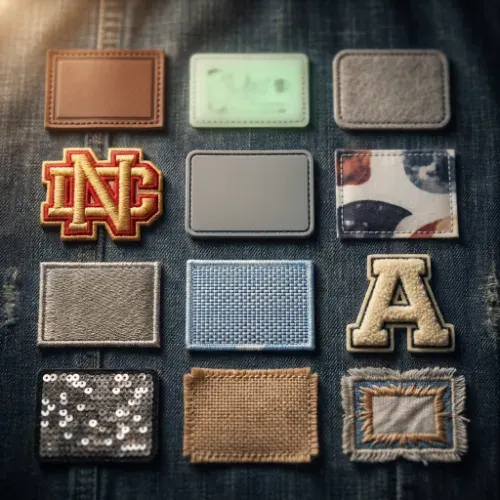
If you’re wondering what types of patches are actually out there, the short answer is that there are more than a dozen common patch types, sometimes just called patch types, and each one comes down to different materials and manufacturing methods. Some are stitched, some are pressed, some even glow in the dark. With so many custom patch styles on the market, picking the right one for your team, brand, or jacket really just comes down to matching the material to the job.

Embroidered Patches
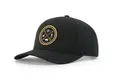
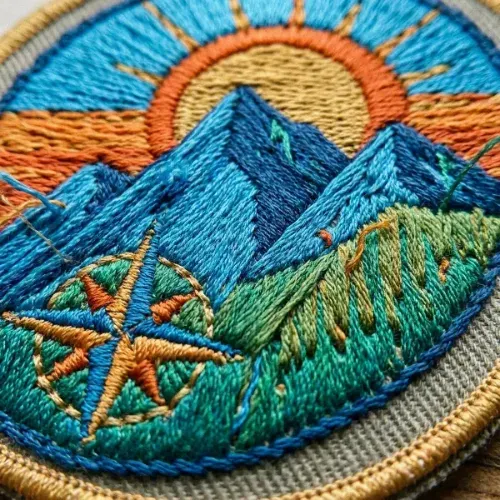
Embroidered patches, sometimes just called embroidery patches, are the classic. Thread is stitched into a fabric backing to create raised, textured designs. Hand embroidered patches give you that old school, detailed look, and 3D embroidered patches (also known as 3D embroidered transfers) add extra puff for a bolder finish. Bullion patches take embroidery upscale, using metallic thread for a dressier look you will see on blazers more than backpacks. Custom embroidered name patches and simple name patches fall in this family too, and they are still one of our most requested items at The Monterey Company.
Woven and Chenille Patches
Woven patches use a tighter thread weave than standard embroidery, so they can capture small text and fine lines that embroidery sometimes struggles with. Chenille patches go the opposite direction. They use a soft, fuzzy yarn to build big, bold letters, the kind you probably remember from varsity jackets and letterman jackets.

Chenille TPU and Chenille Glitter
Two newer spins on the classic are chenille TPU patches, which press a durable plastic layer into the yarn for extra grip, and chenille glitter patches, which mix in glitter threads for a little shine. Both hold up well and still give you that traditional chenille look.
PVC (Rubber) Patches
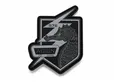
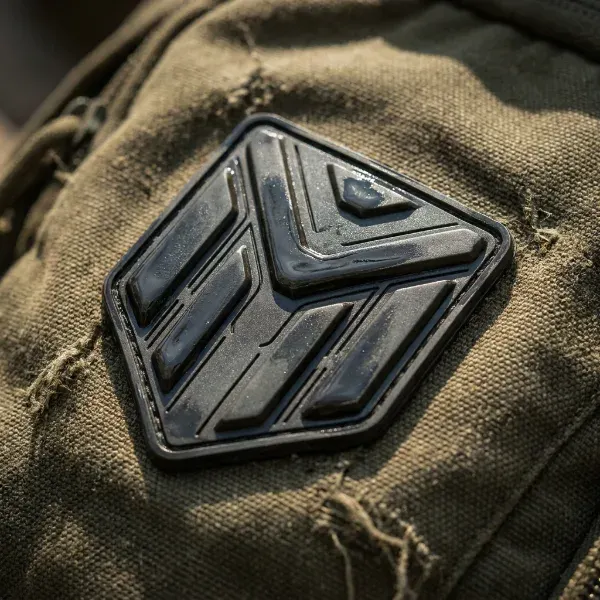
Custom PVC patches, sometimes called rubber patches, are made from polyvinyl chloride, a soft and bendy plastic that shrugs off rain, mud, and rough use. Manufacturers use laser-etched detailing and embossed patches techniques to create raised, 3D looking designs with sharp edges. If patch durability matters most, like on tactical gear or outdoor equipment, PVC is usually the answer.
Printed (Sublimated) Patches
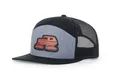
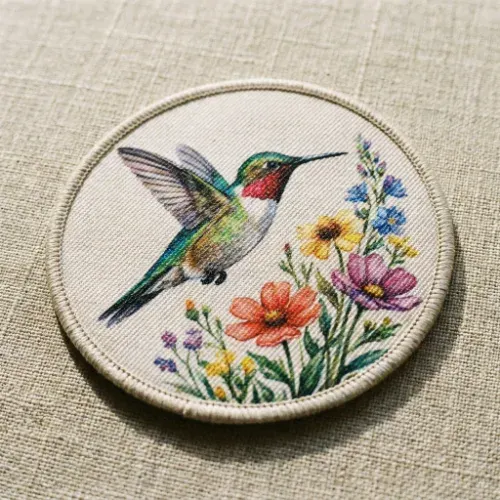
Printed patches, also called sublimated patches, use a dye-sublimation process that presses ink directly into the fabric instead of stitching it on. This printed, or sublimation, method is the best route for gradients, photos, and detailed logos that embroidery just cannot recreate.
Leather and Faux Leather Patches
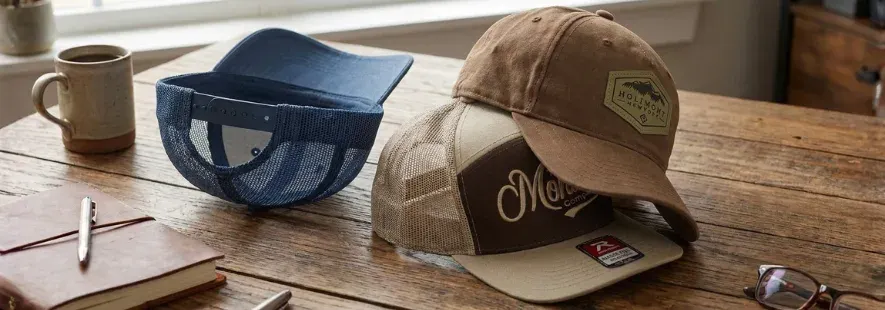
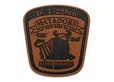
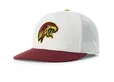
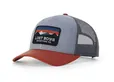
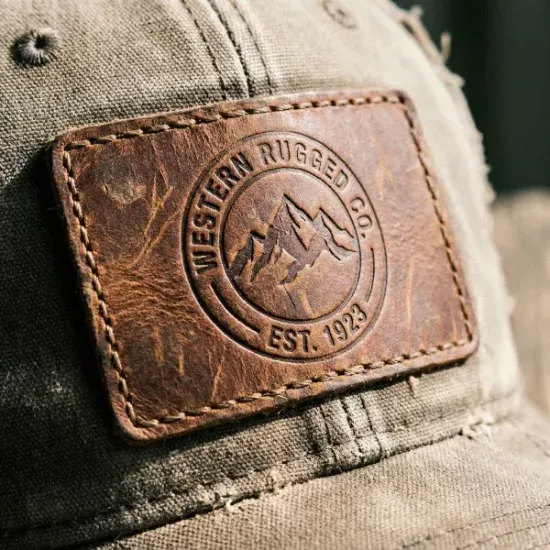
Leather patches bring a rugged, worn-in feel that works great on hats. Genuine leather and PU leather patches, made from polyurethane, both give you that same rustic style, just at different price points.
Modern and New Types of Patches
Patch technology keeps moving, and a few newer styles are worth knowing about.
Sequin and Glitter Patches
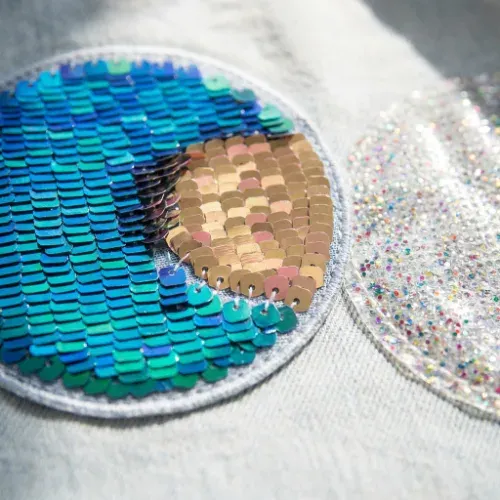
Sequin patches use tiny flip sequins for a shimmery, interactive effect kids and fashion brands both love. Glitter versions add sparkle without the flipping action.
Silicone Patches

Silicone patches are soft, flexible, and give a smooth, printed look. They hold color well and resist fading outdoors.
Glow-in-the-Dark Patches
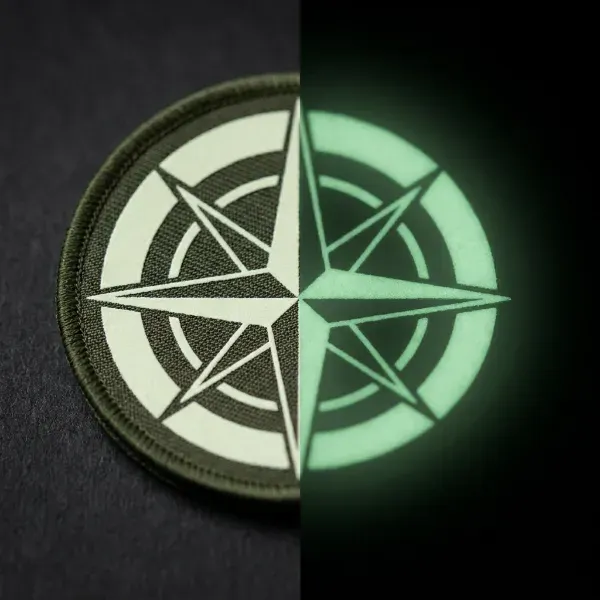
Glow-in-the-dark patches use a special ink that charges in light and glows at night, a fun option for safety gear or novelty designs.
Flex Patches
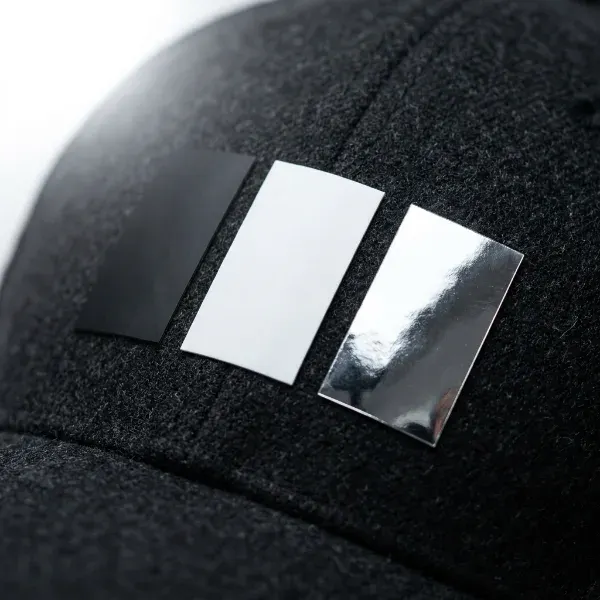
Matte black flex patches, matte white flex patches, and chrome flex patches use a thin, flexible film instead of thread or rubber, giving you a sleek, modern look on caps and jackets.
Types of Backing
Picking from the many patch backing types out there matters just as much as the patch itself, since it decides how the patch attaches and whether it can be swapped out later.
Iron-On Backing and Heat-Activated Adhesive
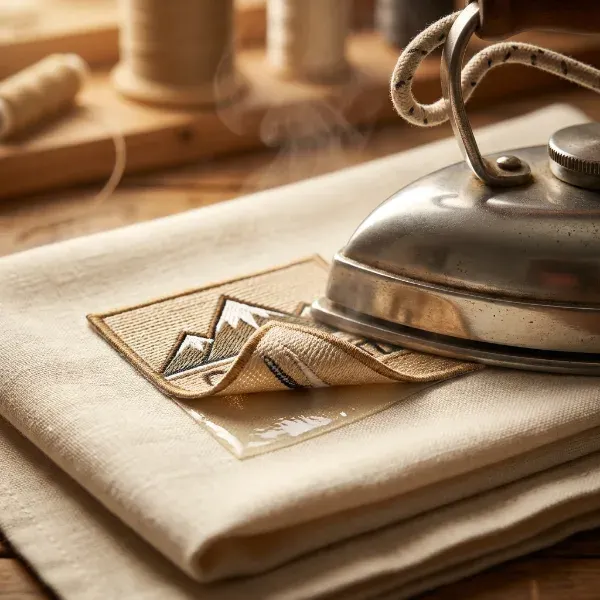
Iron-on patches, sometimes called heat transfer patches, use a heat-activated adhesive on the back. Press it with heat and it bonds to the fabric. No needle required.
Velcro and Hook and Loop Patches
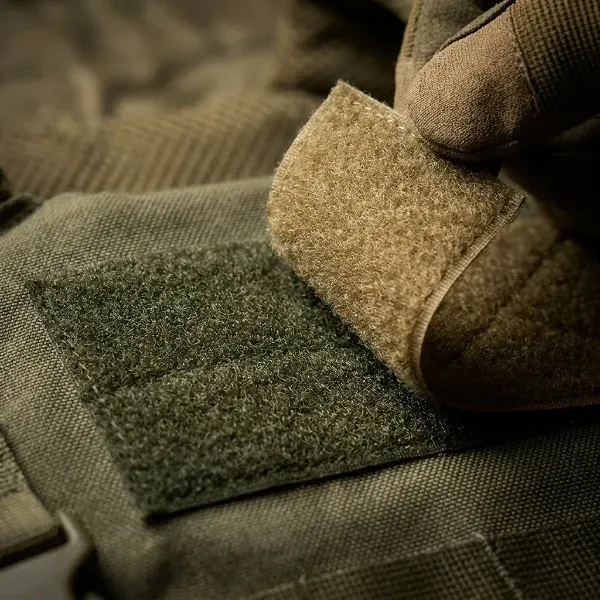
Velcro patches, also called hook-and-loop patches, are removable and swappable, which is why they are so common on military patches and tactical patches where gear changes often.
Sew-On, Adhesive, and Magnetic Backing
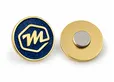
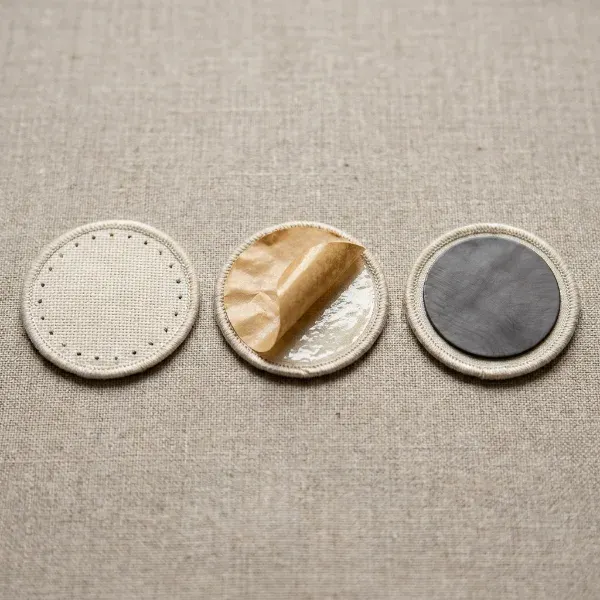
Sew-on patches are the most permanent option. Adhesive patches and peel-and-stick patches work for short-term use, and magnetic backing lets you attach a patch without any holes or glue at all, which is handy on leather or delicate fabric.
Pressing Instructions
Getting the application right matters as much as picking the patch.
Heatpress for Garments
For garments, use a heat press set between 300 and 350 degrees Fahrenheit, press for 10 to 15 seconds with firm pressure, then let it cool before you move the fabric.

Heatpress for Hats
Hats need a curved heat press or a cap attachment, since flat presses cannot mold to the curve of the brim without wrinkling the patch.

Iron On for Garments
No heat press at home? A household iron on the cotton setting, no steam, held firmly for 30 to 45 seconds, will usually get the job done on garments.

Where Custom Patch Styles Show Up
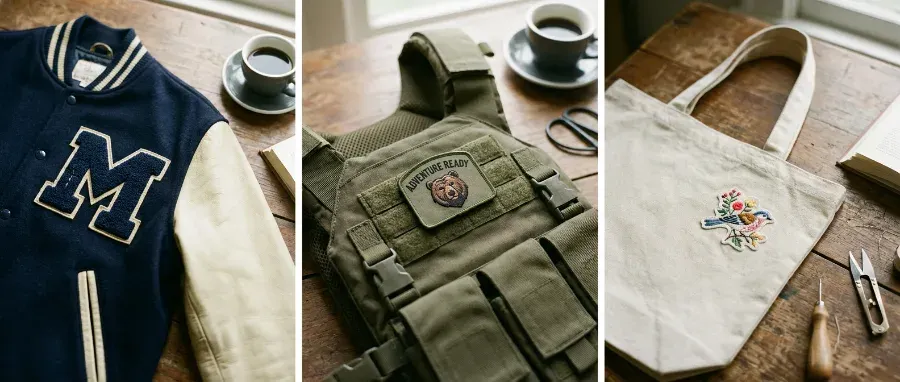
Different patch styles show up everywhere once you start looking. Varsity jackets and letterman jackets lean on chenille and custom tackle twill letters. Military patches and tactical patches favor velcro for quick swaps. Fashion patches and promotional patches turn a plain jacket or tote bag into a signature patches moment for a brand. Custom patch orders for events, teams, and businesses are honestly one of the most fun parts of our job.
Not sure which patch type fits your project? Talk to our team and we’ll help you pick.
Final Thoughts
After 35-plus years and over 1,000 five-star reviews, our conclusion is simple: there is no single best patch, only the best patch for your project. Whatever mix of types of patches and backing you land on, get a free digital proof before your order goes into production, so you know exactly what you are getting.

Eric Turney
Eric Turney A devoted father, football fanatic, and stand-up comedy enthusiast who loves nothing more than bringing people together over great food and a good time. When he’s not cheering on his favorite team or experimenting in the kitchen, you can find him connecting with others on LinkedIn

 Coins & Medals
 Corporate Gifting & Events
 Custom Labels & Accessories
 Everything Keychains
 Headwear
 Holidays