































































Rare Challenge Coins: What Actually Makes One Valuable


Key Takeaways
- ‣ Rare challenge coins depend on provenance and collector demand, not just a low mintage.
- ‣ Coin condition, plating, and enamel details separate a valuable coin from an ordinary one.
- ‣ Counterfeit coins are common, so compare maker marks and serial numbers, check completed sales for realistic pricing, and avoid listings with unclear photos or mismatched details.
- ‣ Custom challenge coins hold their value longest when there’s a real design proof and consistent production behind them.
Thinking about a coin program for your unit, department, or company? Get a free quote from The Monterey Company and start with a design proof before anything goes into production.
What Actually Makes a Rare Challenge Coin Valuable
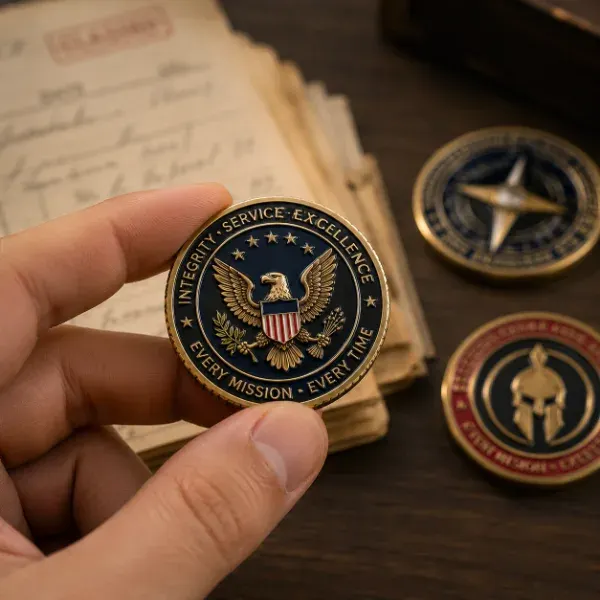
If you’re wondering whether your challenge coin is actually rare, the honest answer is that mintage run alone rarely proves it. Coin rarity comes from provenance, coin condition, and real collector demand working together, not from a low-number run by itself.
Privately commissioned custom Navy challenge coins with no published mintage figure isn’t automatically special. Coin value climbs when documented history backs it up, not when a seller simply calls it rare. A low mintage helps. It doesn’t seal the deal on its own.
Provenance Beats a Low Production Run
A limited production run matters most when it’s tied to something meaningful: a unit coin from a real historical deployment, a command coin from a specific posting, or a memorial coin honoring someone by name. Presidential challenge coins and public safety coins fall into this bucket too, along with retirement coins, deployment coins, and graduation coins handed out at an actual ceremony. Even a coin tied to a specific mission, think Operation Neptune Spear or the Crew Dragon Demo-2 launch, can carry real weight because the story behind it is verifiable. A custom commemorative coin with no story is just a coin.
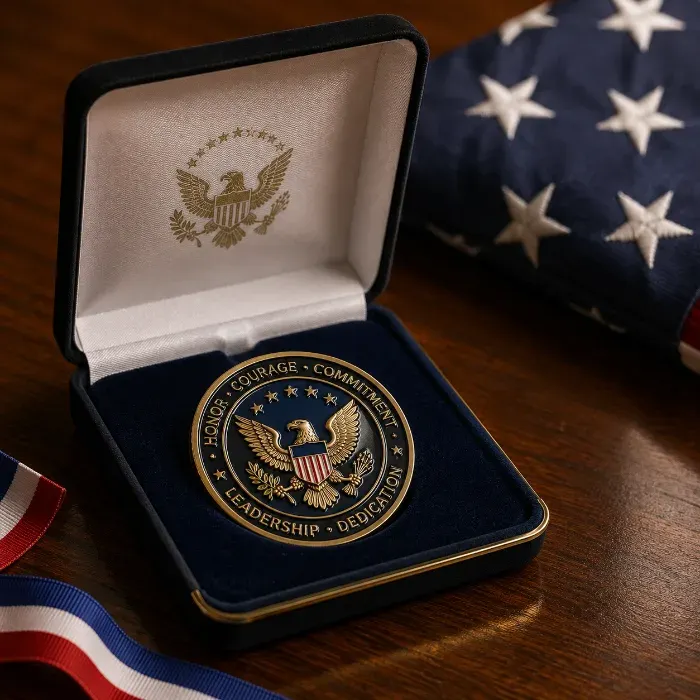
Condition Details Collectors Actually Check
Coin condition covers more than scratches. Plating wear, enamel chips, and a dull edge treatment all lower value fast. Shape matters too. A cut-to-shape coin, a spinner coin, or even a bottle opener coin gets judged against standard round pieces a little differently, since the manufacturing method changes what good condition even looks like. Deep 3D relief tends to hold detail longer than a flat stamped design, so it shows wear less obviously. Please don’t polish it. I know it’s tempting.
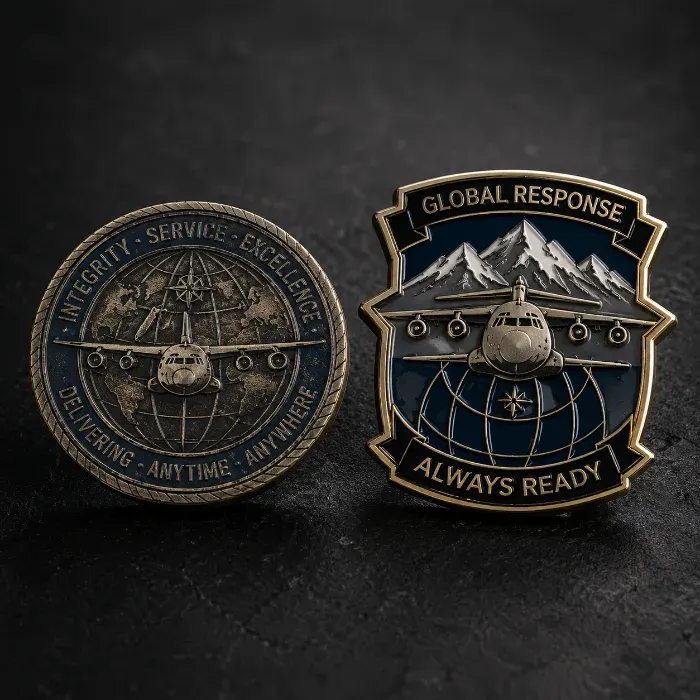
How to Actually Identify a Rare Coin
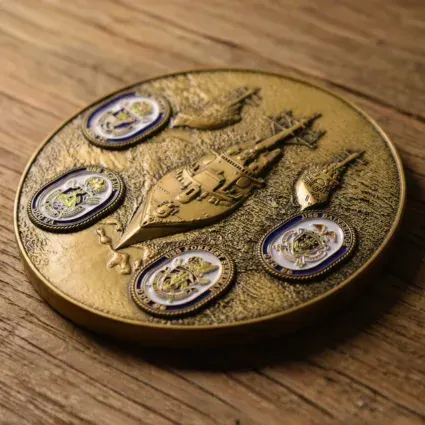
If you want to identify a rare challenge coin with any real confidence, start by documenting it, not by guessing from a photo online. Record the maker mark, any serial number, the finish, and every inscription. Note whether it came with a presentation case, since that context matters too. Photograph both faces. Measure the diameter. Then compare what you have against unit records, an auction archive, and completed sales for similar military challenge coins or collectible coins, not just active asking prices. One listing that’s sat unsold for six months tells you nothing about coin value.
Spotting Counterfeit Coins
Authenticity gets harder to judge every year because counterfeit coins have gotten good. A reproduction can nail the artwork and still miss the weight, the plating, or the edge treatment.
- ‣ Vague claims like “extremely rare” with no issuer or date
- ‣ Stock photos instead of the detailed logos or art
- ‣ Identical listings from unrelated sellers
- ‣ Prices that seem too low for the claimed history
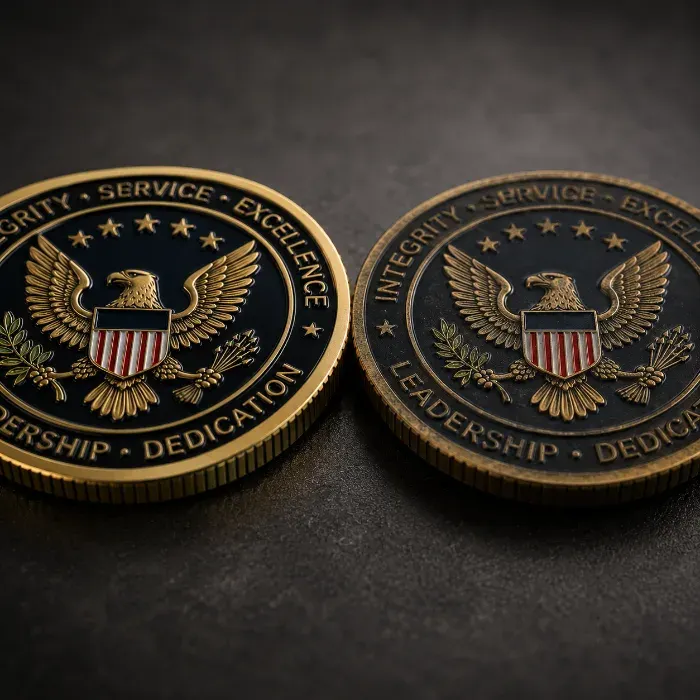
Ask for real photos and a return policy before you pay. A seller who won’t answer specifics probably can’t.
What Are the Rarest Challenge Coins?
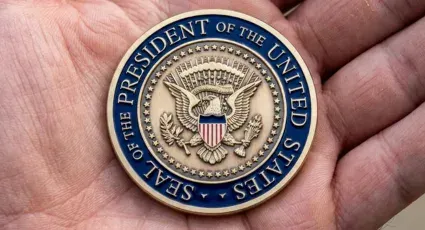
The rarest challenge coins are usually presidential presentation coins, authenticated special operations coins, and unit coins issued to a very small group of people. Genuine presidential coins are closely tied to who presented them and when. The Barack Obama Presidential Library, for example, preserves presidential challenge coins that were given during his administration.
Special operations coins can be even harder to verify. Authentic DEVGRU and SEAL Team Six squadron coins attract serious collector interest, with one documented Red Squadron coin selling for $400 on Ebay, while rare examples are sometimes listed for thousands. That price difference is another reason provenance matters more than a seller simply calling a coin rare.
Why Organizations Choose The Monterey Company for Unique and Rare Coins
The Monterey Company has helped buyers choose the right finishes, materials, and production options since 1989. Some customers arrive knowing the exact finish they want, while others need help comparing options. Our team walks through the differences, explains what works best for the design, and helps each buyer make a confident choice.

Custom coins here go through a real design proof before anything gets produced, so what you approve is what ships. Cut-to-shape edges, 3D relief, and enamel fill are all options depending on the design. A coin ordered again next year comes out matching the first run, which matters more than people expect once a program has been running a while.
Whether it’s a handful of coins for a retirement ceremony or a larger order of custom law enforcement coins, the same process applies: check the design proof, confirm the details, and produce it right the first time.
Ready to design a coin worth keeping? Start your custom coin quote with The Monterey Company today.
Frequently Asked Questions
What Makes a Challenge Coin Rare?
A rare challenge coin usually combines limited distribution, verifiable provenance, historical relevance, strong condition, and real collector demand. Age or a small production run alone doesn’t make a coin rare.
Are military challenge coins valuable?
Some military challenge coins are genuinely valuable, particularly with documented unit, command, or mission history attached. Most carry personal or commemorative value instead, since broad distribution limits true scarcity.
Should I clean an old challenge coin?
Usually don’t. Polishing and abrasive cleaning strip plating, patina, enamel, and relief that took real work to produce. Store it in a dry, inert holder and handle it by the edges.
Reliable assessment starts with documentation, not speculation. Verify provenance, inspect condition, compare completed sales, and admit what you don’t know. That’s how you tell a genuinely rare coin from an ordinary one, and it’s the same discipline worth building into any custom coin program from the start.

Eric Turney
Eric Turney A devoted father, football fanatic, and stand-up comedy enthusiast who loves nothing more than bringing people together over great food and a good time. When he’s not cheering on his favorite team or experimenting in the kitchen, you can find him connecting with others on LinkedIn

 Coins & Medals
 Corporate Gifting & Events
 Custom Labels & Accessories
 Everything Keychains
 Headwear
 Holidays