














































Stainless Steel vs Sterling Silver Jewelry

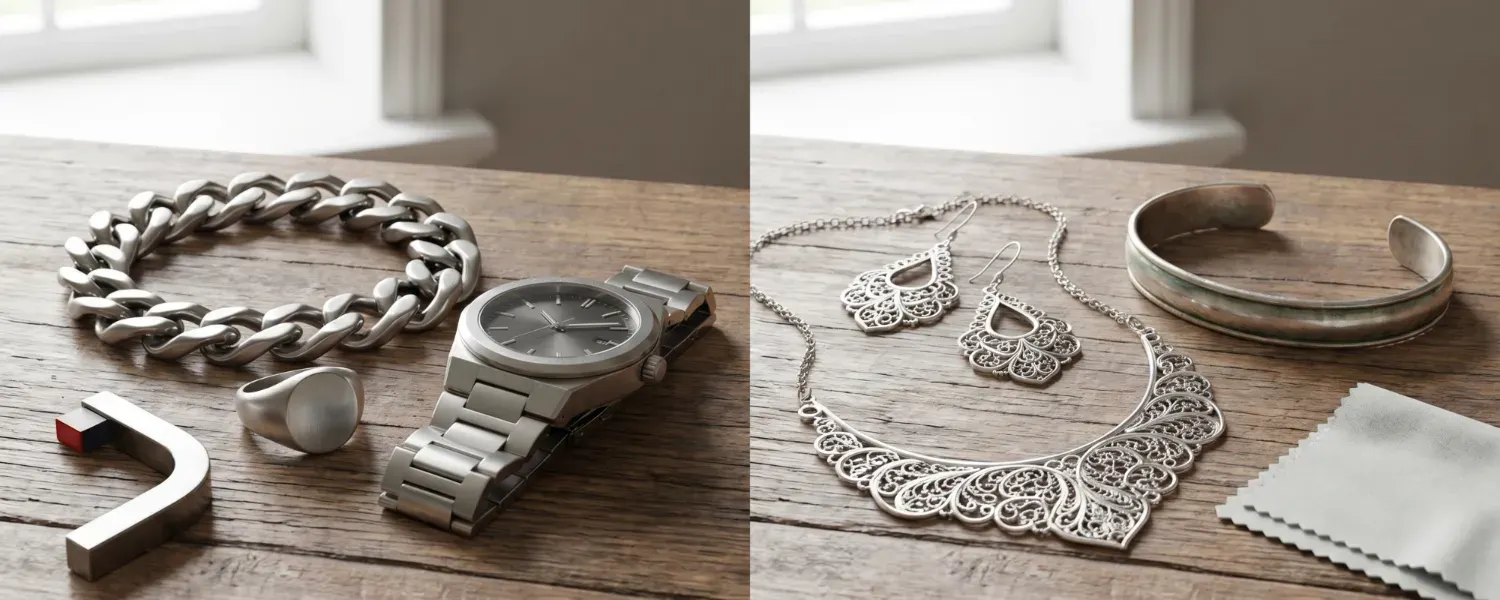

Picking metal for custom jewelry comes down to one real question. Will the piece fit the job? The stainless steel vs sterling silver jewelry debate gets messy online. The answer usually hides in the details. How often will it be worn? Who is it for? And honestly, how much care will anyone actually give it after delivery?
At The Monterey Company, we’ve been helping groups sort this out since 1989. After more than 35 years and over 1,000 five-star reviews, we have seen both metals shine in the right spot and fall flat in the wrong one.
Key Takeaways
- ‣ Stainless steel jewelry is tougher and needs less care, while sterling silver jewelry offers a classic, premium look.
- ‣ Sterling silver contains 92.5% silver, and 316L stainless steel is a common skin-friendly pick.
- ‣ Durability favors stainless steel, but perceived value and luster usually favor sterling silver.
- ‣ The best choice depends on how the piece gets worn, handled, and stored over time.
Ready to lock in the right metal for your next order? Get a free quote from The Monterey Company, and we’ll help you route the spec correctly.
The Short Answer First
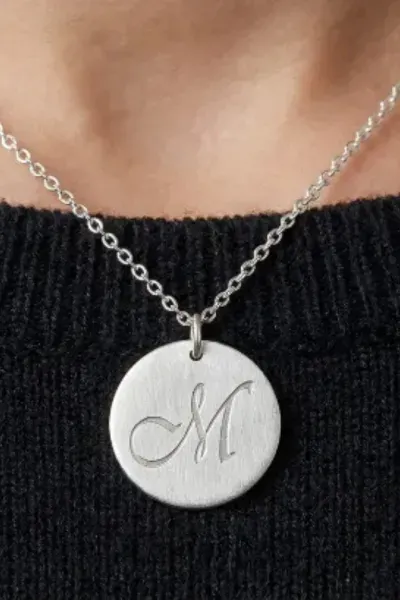
Stainless steel jewelry is usually the practical pick for daily wear, low maintenance, and high-volume programs. Sterling silver jewelry is the premium pick for milestones, donor gifts, and anything that needs that classic jewelry feel.
Neither metal is “better.” They are built for different jobs. I think the biggest mistake buyers make is treating this as a quality ranking rather than a fit question.
At the end of the day, for custom charms or pendants with or without enamel color, you are not going wrong with either option.
“Real 925 sterling silver is a precious metal … Steel, on the other hand, is simply fashion jewelry.” – Elfy, founded by Priyal Jain Agarwal and Divyansh Jain Agarwal
What You’re Actually Buying
Knowing the basics helps you avoid confusing product listings.
Sterling Silver (925)
925 sterling silver is a silver alloy made of 92.5% silver and 7.5% other metals. Copper alloying is usually in the mix, since pure silver is too soft for most jewelry work. You will often see a .925 stamp on the piece. That stamp indicates the silver content, but it does not guarantee the quality of the polish, thickness, or the strength of the hardware.
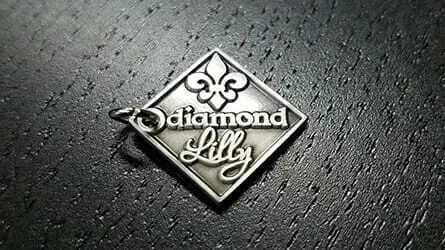
Sterling silver has a warm tone, a bright luster, and that traditional jewelry character. It also tarnishes through oxidation. Not a flaw, just a fact to plan around.
Stainless Steel
Stainless steel is a corrosion-resistant alloy that contains at least 10.5% chromium. The chromium forms a thin protective layer that helps prevent rust and staining. Common jewelry grades include 304 stainless steel and 316L stainless steel, with 316L often preferred for skin contact.
It has a cool tone and a modern look. If a supplier won’t share the stainless steel grade, that is a small red flag worth questioning. When we produce custom pendants in stainless steel, our go-to is 304-grade stainless steel.
Durability Comparison: Daily Wear and Handling

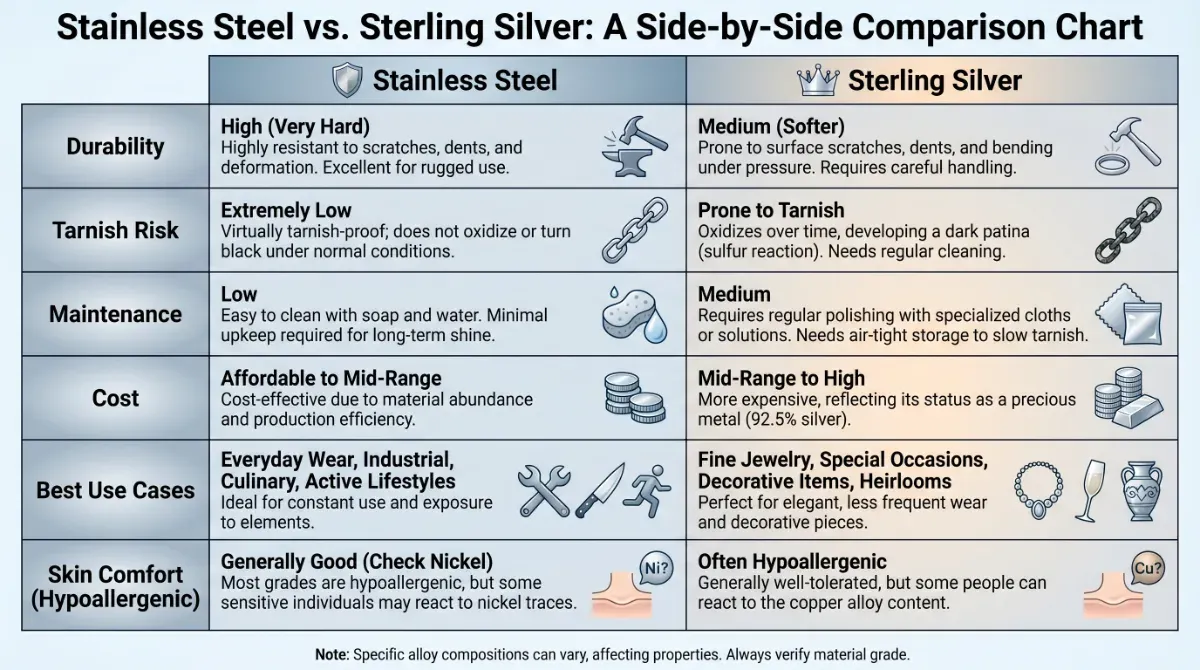
Here is where stainless steel usually pulls ahead. Scratch resistance and dent resistance are stronger, which matters for pieces that get tossed in bags or rub against keys all day.
Sterling silver is softer. That softness is great for detailed engraving and traditional jewelry-style finishing, but it also means scratches and edge wear show up faster on high-contact items.
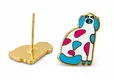
One thing people forget: the hardware matters too. A weak clasp or jump ring will fail long before a well-made pendant does. Spec your stainless steel chain, clasp, and jump ring with the same care you give the main piece. For custom earrings, this matters even more, since the post sits directly against the skin. Using a high-quality stainless steel post instead of a cheaper metal like brass can make a huge difference in comfort, wear, and overall quality.
Appearance, Finish, and Polish
Sterling silver has that warm, bright look most people picture when they think “real jewelry.” It takes a mirror finish for high shine, a brushed finish for a softer feel, or an antique finish that brings out relief. It photographs beautifully for fundraising pages and resale jewelry listings.
Stainless steel runs cooler and more modern. It finishes consistently across batches, which is huge for merch programs where every piece needs to match. It also accepts PVD coating for custom colors, and holds engraving nicely on polished surfaces. Rhodium or nickel plating is another option some buyers use on silver for added brightness and tarnish resistance.
Patina is not the same as tarnish, by the way. Patina can be a design feature on silver. Tarnish is the maintenance reality you plan around with storage and care. Enamel color is usually the best way to get the deep, rich look people want, since it creates bright, full color in both stainless steel and sterling silver that printing usually cannot match. That is a big reason custom enamel charms stand out when you want jewelry that feels more polished, is more colorful, and is made to last.
Which Photographs Better for Merch
Polished sterling silver tends to pop in close-up shots. Brushed stainless steel keeps things consistent across big runs. Pick based on where the image will live, the catalog page or the donor appeal page.

Maintenance and Tarnish
Sterling silver tarnishes. Air, moisture, sweat exposure, and sulfur compounds all speed it up. Water exposure from pools, saltwater, and chlorine can be rough too. A polishing cloth and an anti-tarnish pouch handle most of the upkeep.
Stainless steel is lower maintenance. Mild soap, warm water, a soft cloth, and you’re set. It resists tarnish and holds up in everyday conditions where recipients probably won’t read a care card anyway.
For bulk orders, include simple care instructions with every delivery. It prevents confusion and protects the premium impression of the piece.
Skin Sensitivity and Hypoallergenic Jewelry
“Hypoallergenic jewelry” only means something when the supplier can tell you the base metal and surface treatment. Most skin reactions trace back to nickel allergy, mystery alloys, or worn-out plating on plated jewelry.
Sterling silver is generally well tolerated, but low-grade clasps or posts can still cause issues. 316L stainless steel is a common pick for skin contact because it balances durability with stability.
If skin sensitivity matters for your recipients, ask about grade, avoid deep plating stacks, and standardize hardware across the order.
Cost, Value, and Perceived Value

Stainless steel usually has a lower unit cost and strong durability, which is why it works so well for trade shows, school spirit programs, and high-volume distributions.
Sterling silver costs more because the metal itself carries precious-metal value. That higher cost often pays off for employee milestones, donor gifts, commemoratives, and VIP recognition, where perceived value is part of the point. A piece in solid silver just feels different in hand, and people tend to treat it that way.
When to Pick Each Metal
Pick Stainless Steel When
You need everyday wear, permanent jewelry, high volume, modern styling, or a durable stainless steel chain that can survive real life. It’s also the safer call when recipients won’t baby the piece.
Good Fits
Trade shows, lanyard charms, resale jewelry with modern styling, staff recognition programs, and branded merch distributions.
Pick Sterling Silver When
You want a classic jewelry feel, premium finish, engraving that pops, or a keepsake people will actually hold onto. Retirements, milestones, donor-facing gifts, and custom pendants in sterling usually justify the cost.
How We Reduce Risk on Custom Orders
We handle production management the same way for both metals. That means free digital proofs, design guidance, preproduction samples, stage inspections, and saved molds for future reorders. Our quality control team catches issues before the full production run, not after.
Whether you’re ordering custom jewelry or custom coins, we help route your design through die-struck or cast production based on what the piece actually needs. We also handle soft enamel, hard enamel, gemstones, and specification management across repeat runs, so your reorder support is built in from day one. If you want a broader look at the development process, see our guide on how to make custom jewelry.
After 35+ years in this industry, we’ve learned that the choice of metal is just the start. The real work is making sure your piece performs the way you expected when you approved the proof.
Send us your project details today, and the Monterey Company team will help you choose the right metal, finish, and hardware before you commit.
Final Take
Stainless steel vs sterling silver jewelry isn’t a winner-take-all fight. It’s a routing decision. Think about wear, handling, storage, audience, and budget, then pick the metal that fits the job. If you’re still weighing options, reach out. We’ll help you figure out the best fit before you commit to a full run.

Eric Turney
Eric Turney A devoted father, football fanatic, and stand-up comedy enthusiast who loves nothing more than bringing people together over great food and a good time. When he’s not cheering on his favorite team or experimenting in the kitchen, you can find him connecting with others on LinkedIn

 Coins & Medals
 Corporate Gifting & Events
 Custom Labels & Accessories
 Everything Keychains
 Headwear
 Holidays